Life in Prison for Wilmington Man for 2016 Murder

Other defendants face prison time for murder, weapons, and child porn charges

A 50-year-old Wilmington man was sentenced to life in prison plus 25 years for the 2016 stabbing death of his girlfriend, plus an additional 16 years for a violation of probation. Deputy Attorneys General John Downs and Periann Doko secured the sentence for Robert Smith. In February 2016, Smith stabbed 45-year-old Inga Coffee to death with a screwdriver in a relative’s home in the 2300 block of North Tatnall Street. A short time later Smith led police on a high-speed chase on I-95 from Newark to Wilmington while driving the victim’s car. Police arrested Smith after leading them into the city of Wilmington, and crashing into a State Police vehicle in the 1500 block of Linden Street. In August 2017, Smith pled Guilty but Mentally Ill to Murder First Degree and Possession of a Deadly Weapon During the Commission of a Felony. The murder occurred shortly after Smith’s release from prison after serving 13 years for an assault against Ms. Coffee in 2003. Detective Tom Curley of the Wilmington Police Department led the investigation. DOJ social worker Jen Kutney worked with the family of Inga Coffee to see them through the investigation.

Two men pled guilty in New Castle County Superior Court in relation to a 2016 botched robbery that left another man dead. Deputy Attorneys General John Downs and Allison Abessinio secured the pleas from Joseph Hunt, 33, and Durrion Morrison, 29, both of Wilmington. In March 2016, 39-year-old Jason Hicks of Newark was set up to be robbed because of a previous drug deal with Hunt. When the robbery attempt failed, Morrison shot Hicks five times. Morrison fled the state after the murder, was arrested in West Virginia for Possession With Intent to Deliver Cocaine, and while out on bail for that charge, fled to Kentucky, where he was located by U.S. Marshals after charges were filed in Delaware. The charges in West Virginia are still pending. Morrison pled guilty to Murder Second Degree and Possession of a Firearm During the Commission of a Felony. Hunt pled guilty to Manslaughter, Attempted Robbery First Degree and Conspiracy Second Degree. Detective Tom Curley of the Wilmington Police Department ran the investigation. No sentencing date has been set.

Deputy Attorney General Allison Abessinio secured a 25-year sentence for a 31-year-old New Castle man after he was declared a habitual offender for a gun and drugs. In February 2016, police went to the home of Jonathan Johnson in the 800 block of Maryland Avenue to assist a family crisis therapist from the Division of Family Services. The officer noticed drugs in plain view, then returned with a search warrant and found a .22 caliber handgun. The gun was in a jacket that had been lying on the same couch where four children were seated when police arrived. Johnson pled guilty in April to Possession of a Firearm During the Commission of a Felony and Drug Dealing (cocaine). A Superior Court judge declared Johnson a habitual offender at sentencing because of previous felony convictions on drug and assault charges.

A 59-year-old Wilmington man will spend 12 years in prison on child pornography charges. Bonifacio Mendez pled guilty in August 2017 to 5 counts of Dealing in Child Pornography. Acting on a tip in May 2016, Wilmington Police and the Department of Justice Child Predator Unit conducted an investigation in which they learned Mendez repeatedly exchanged pornographic images with a minor. A Superior Court judge sentenced Mendez after his plea to 12 years in prison, followed by 2.5 years of probation. The judge also ordered Mendez register as a Tier 2 sex offender. Detective Jamie Tobin of the Wilmington Police Department led the investigation.

Delaware Health Information Network Financial Statement Audit – Fiscal Year 2017

State Auditor, R. Thomas Wagner, Jr., has released the Delaware Health Information Network Financial Statement Audit and Single Audit for the fiscal year ended June 30, 2017.

The audits were performed by Belfint, Lyons & Shuman, P.A. pursuant to 16 Del. C. §10303 (a)(18). Belfint, Lyons & Shuman, P.A. conducted these audits under the direction of the Office of Auditor of Accounts in accordance with 29 Del. C. §2906 and issued a qualified opinion on the financial statements for both fiscal years.

This report is a matter of public record and its distribution is not limited. This report, as required by statute, was provided to the Office of the Governor, Office of the Controller General, Office of the Attorney General, and Office of Management and Budget.

For any questions regarding the report, please contact R. Thomas Wagner, Jr., State Auditor, at 302-739-5055 or r.thomas.wagner@delaware.gov.


Public Health and CVS Health Make Overdose-Reversal Drug Available Without Prescription at DE CVS Pharmacies

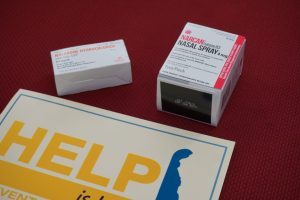
Two boxes of Naloxone above the Help Is Here signDOVER — The Delaware Division of Public Health and CVS Health announced today that the opioid overdose-reversal medication naloxone is now available without an individual prescription at all of the 20 CVS Pharmacy locations in Delaware, including those located inside Target stores. CVS pharmacists will be able to dispense naloxone to patients without an individual prescription under a statewide standing order issued by the Division of Public Health (DPH).
“By making naloxone available to the public without a prescription, CVS Health has taken an important step in helping us combat the opioid epidemic here in Delaware,” said Governor John Carney. “Naloxone can give people a second chance to get medical care and be connected to resources to treat their addiction. We greatly appreciate their partnership.”

“Naloxone is a safe and effective antidote to opioid overdoses and by expanding access to this medication in our pharmacies in Delaware we can help save lives,” said Tom Davis, RPh, Vice President of Pharmacy Professional Services at CVS Pharmacy. “CVS Health is dedicated to helping the communities we serve address and prevent prescription drug abuse and we are expanding access to naloxone to give more people a chance to get the help they need for recovery.”

In July, Governor Carney signed Senate Bill 48, which expanded community access to naloxone by ensuring pharmacists had the same legal protections as doctors, peace officers and good Samaritans. Pharmacists can now dispense the medicine responsibly without potential legal, criminal, or disciplinary actions due to injuries or death sustained in connection with dispensing the drug. Naloxone will be available at the pharmacy counter in participating pharmacies to anyone who is educated on its appropriate use and signs an acknowledgement form. DPH hopes that this measure, in combination with a revised standing order allowing pharmacists to dispense naloxone nasal spray, will increase access for those concerned about someone at risk of an overdose.

“Our first priority is to save lives, and expanding access to this overdose-reversing medication through local pharmacies gives more people in the community the opportunity to help us do that,” said Dr. Rattay. “We see no signs of the opioid epidemic slowing and we need all the tools at our disposal to turn the tide.”

Overdose deaths in Delaware climbed from 172 in 2012 to 228 in 2015, and then jumped to 308 deaths in 2016. There have been approximately 190 suspected drug overdose deaths to date in 2017. First responders administered the life-saving medication naloxone more than 1,535 times in 2016 and 1,280 times in the first half of 2017.

“Addiction is a chronic disease,” said Dr. Kara Odom Walker, Secretary of the Delaware Department of Health and Social Services (DHSS). “As we expand access, we also need to connect Delawareans suffering from addiction to comprehensive and person-centered treatment services so they can begin their recovery.”

For more information about how to access naloxone at the pharmacy and to receive training on how to use it, visit HelpisHereDE.com/Get-Help/Overdose-Response. HelpIsHere.com is DHSS’ one-stop clearinghouse website for information on prevention, treatment and recovery resources in Delaware, and learning about the signs of addiction.

Within three to five minutes after administration, naloxone can counteract the life-threatening respiratory depression of an opioid-related overdose and stabilize a person’s breathing, which buys time for emergency medical help to arrive. DPH recommends calling 9-1-1 immediately if you find someone in the midst of a suspected overdose, starting rescue breathing, and then administering naloxone. Naloxone is not a replacement for emergency medical care and seeking immediate help and follow-up care is still vital.

“ ‘If we had a 911 Good Samaritan law or Narcan law, your son might very well be alive today.’ Those were the words of the detective investigating my son, Greg’s, accidental heroin overdose,” said David Humes, board member of atTAcK addiction. “I’ve lived with those words every day for over five years. With naloxone now being made available over-the-counter, other loved ones won’t have to live with those words. Greater access to naloxone means more lives will be saved. More people will get a second chance.”

For a list of permanent drug collection sites to safely dispose of unused prescription medication, visit permanent collection sites, visit DPH at http://dhss.delaware.gov/dph/hsp/hhdrugtakeback.html.

A person who is deaf, hard-of-hearing, deaf-blind or speech-disabled can call the DPH phone number above by using TTY services. Dial 7-1-1 or 800-232-5460 to type your conversation to a relay operator, who reads your conversation to a hearing person at DPH. The relay operator types the hearing person’s spoken words back to the TTY user. To learn more about TTY availability in Delaware, visit http://delawarerelay.com.

Delaware Health and Social Services is committed to improving the quality of the lives of Delaware’s citizens by promoting health and well-being, fostering self-sufficiency, and protecting vulnerable populations. DPH, a division of DHSS, urges Delawareans to make healthier choices with the 5-2-1 Almost None campaign: eat 5 or more fruits and vegetables each day, have no more than 2 hours of recreational screen time each day (includes TV, computer, gaming), get 1 or more hours of physical activity each day, and drink almost no sugary beverages.


Delaware Opioid Prescription Rates Falling Seven Months After New Regulations Enacted

DOVER, DE –The number of prescriptions written in Delaware for opioid pain medications has fallen since the enactment of new prescribing regulations by the Department of State earlier this year.

Statistics from the Division of Professional Regulation, which licenses controlled substance prescribers, show a 12-percent drop in opioid prescriptions statewide compared to the first quarter of 2017. The number of Delaware patients being treated with opioid medications has also declined by 8 percent over the same time period, the division reports.

“Limiting the availability of prescribed opioids that end up being diverted, sold and illegally abused is an important part our fight to stem the tide of opioid addiction in Delaware,” said Gov. John Carney. “Opioid prescription rates remain too high in Delaware, but this is an issue we will continue to address in a comprehensive way.”

The new regulations, which took effect April 1, were designed to help prescribers more closely monitor and control the use of opioids by their patients.

“A significant reduction in the number of pills being prescribed means a better chance that fewer end up on the street,” said Secretary of State Jeff Bullock. “Just as important, fewer people being prescribed opioids is a sign that medical professionals in Delaware may be changing their prescribing practices and relying less heavily on highly addictive opioids when better alternatives exist. Seven months into our new regulatory framework for opioids, we are seeing the results we had hoped for.”

Key elements of the new regulations are aimed at controlling the amount of opioids given to new patients and aggressively monitoring their treatment. First-time opioid prescriptions may not exceed a one week supply under the new rules. If further opioid prescriptions are deemed necessary, further action is required, including a physical exam with discussion of relevant patient history and the risks of opioids, and a check of the statewide Prescription Monitoring Program (PMP) database. In addition, the state’s new PMP Advisory Committee has begun the process of analyzing the practices of individual prescribers to ensure that they are following state laws and licensing standards.

“Although these are early results, they are encouraging,” said Attorney General Matt Denn. “The Secretary of State and the Division of Professional Regulation deserve a lot of credit for putting these new regulations into effect – they placed Delaware in the top tier of states nationally with respect to requiring the responsible prescription of opioids.”

The regulatory reforms complement efforts organized across state government and in cooperation with Delaware’s community of public health organizations and anti-addiction advocates.

“Each overdose death in our state represents a life lost. Gone are the hopes and dreams of someone’s child, brother or sister. We know that reducing the amount of opioids being prescribed is crucial toward saving lives and a key step in combatting the addiction epidemic,” said Lt. Gov. Bethany Hall-Long.

The newly established Behavioral Health Consortium, created this year by the General Assembly and chaired by Lt. Gov. Hall-Long, is working to develop an action plan that will prevent and treat substance use disorder, expand and improve mental health treatment and recovery and provide support for family members of loved ones who are battling addiction or coping with mental health issues.

The state’s Addiction Action Committee, also created by the General Assembly this year, is actively considering two other initiatives relating to the prescription of opioid drugs: possible legislation requiring health insurance coverage of alternatives to opioids for pain management, and possible state responses to the co-prescription of opioids and benzodiazapenes.

“We are grateful to the Division of Professional Regulation for enacting these new regulations,” said Dr. Karyl Rattay, director of the state’s Division of Public Health. “The bottom line is that precious lives will be saved by fewer people becoming addicted or having access to these dangerous drugs. We must continue our efforts to support safe opioid prescribing while ensuring individuals have access to alternative and more effective approaches to pain management.”

The Department of Health and Social Services also has boosted resources to help individuals struggling with addiction. Educational materials about identifying and fighting addiction can be found at HelpIsHereDE.com. Individuals who are suffering from addiction can also call DHSS’ 24/7 Crisis Hotline to be connected to treatment options. In New Castle County, call 800-652-2929, or Kent and Sussex Counties, call 800-345-6785.


The Great American Smoke Out Set for Nov. 16, 2017

Great American Smoke Out button DOVER – You’d like to quit smoking. Maybe you’ve tried before. But it can feel hard. The American Cancer Society estimates it takes between eight to ten attempts for the average person to quit smoking. When trying to quit, support can make all the difference. That’s why the Cancer Society has set Thursday Nov. 16, 2017, as the date for the annual Great American Smoke Out. Each year, thousands of people across the county use the Great American Smoke Out as their date to quit.

If you or someone you care about smokes, the Division of Public Health (DPH) asks you to use Nov. 16, 2017 as your quit date, and use the days leading up to it to create a plan to do so. A good first step is to call the Delaware Quitline (1-866-409-1858) for advice. By quitting, smokers take an important step toward reducing their risk of heart disease, cancer and lung diseases. And, even quitting for one day can put smokers on the path to recovery.

In Delaware, rates of cigarette use continue to decline. Cigarette smoking by adults dropped again to an all-time low of 17.7 percent, according to the 2016 Behavioral Risk Factor Survey (BRFS). But total tobacco use among Delaware adults in 2016 was 24.2 percent or approximately one in four Delawareans. Total tobacco use includes cigarettes, cigars, little cigars, smokeless tobacco products, e-cigarettes, and all other tobacco products.

Smoking is the leading cause of preventable death. Eighty-five percent to 90 percent of lung cancer cases are caused by smoking, and lung cancer makes up one-third of all cancer deaths.

About 36.5 million Americans still smoke cigarettes, and tobacco use remains the single largest preventable cause of disease and premature death in the world. Nationally, while cigarette use also declined (from 42 percent in 1965 to 15 percent in 2015), cigar, pipe, and hookah – other dangerous and addictive ways to smoke tobacco – are very much on the rise.

“Smoking kills people – there is no “safe” way to consume tobacco,” said Department of Health and Social Services Secretary Dr. Kara Odom Walker. “Delaware has been a leader in the effort to create healthy, smoke-free, indoor workplaces and public places for our citizens, yet there is still more we can do to reduce smoking and save lives.”

Secondhand smoke can aggravate the symptoms of chronic diseases such as asthma and COPD. DPH continues to remind smokers of the dangers of secondhand smoke, both to children and other adults, particularly pregnant women.

While smoking makes it harder for a woman to get pregnant, those who are pregnant and continue to smoke face:

  • increased risk of miscarriage;
  • potential problems with the placenta – the oxygen and food supply for the baby;
  • increased risk of birth defects;
  • increased risk of Sudden Infant Death Syndrome (SIDS); and
  • potentially preterm or low birthweight babies.

Delaware data from a recent Women of Childbearing Age Report shows that an estimated 1,400 women smoked during the last three months of pregnancy. Women who smoked during that time frame were approximately three times more likely to deliver a low birthweight baby as compared to those who did not smoke

“If you are pregnant and are smoking, talk to your doctor immediately about ways to safely quit,” said DPH Director Dr. Karyl Rattay. “You can have fewer health problems, breathe better and have more energy. Your baby will have fewer problems too, such as wheezing, fewer coughs, colds and ear infections, and a reduced risk of SIDS.”

The Division of Public Health has a variety of resources to help you start and be successful in your journey to leading a tobacco-free life. The Delaware Quitline provides free tobacco cessation counseling services for Delaware Residents who are 18 years of age and older. When a person calls the toll-free Quitline (1-866-409-1858), they have the option to receive cessation counseling over the phone and, unique to Delaware, can opt to receive counseling in person by a local health care professional trained in cessation. Some participants may qualify for free pharmaceutical cessation aids such as patches, gum, nasal spray and prescription medicine such as Chantix. The Delaware Quitline also has special materials for pregnant smokers trying to quit.

For those who may need some assistance and don’t feel the Quitline is right for them, QuitSupport.com offers a free web-based option. This online cessation counseling service makes Quit Coaches available to provide tips on quitting tobacco. For individuals under the age of 18, NOT on Tobacco (NOT) is a cessation service available at most school wellness centers. Contact 1-800 LUNGUSA for more details on the NOT program.

Research shows that most people try to quit smoking several times before they succeed. (It’s called a relapse when smokers go back to smoking like they were before they tried to quit.) If a relapse happens, think of it as practice for the next time. Studies show that most people who don’t succeed in quitting are ready to try again in the near future. Things a person learns from a failed attempt to quit may help them quit for good next time. It takes time and skills to learn to be a non-smoker.

In 2014, Delaware banned the sale of e-cigarettes to minors and in 2015, Delaware’s Clean Indoor Air Act was expanded to include prohibiting the use of e-cigarettes and other electronic vapor devices in workplaces and indoor public places. Additionally, smoking is not permitted on State property.

For more information about tobacco cessation, visit DPH’s Tobacco Prevention and Control Program at http://www.dhss.delaware.gov/dhss/dph/dpc/tobacco.html.

A person who is deaf, hard-of-hearing, deaf-blind or speech-disabled can call the DPH phone number above by using TTY services. Dial 7-1-1 or 800-232-5460 to type your conversation to a relay operator, who reads your conversation to a hearing person at DPH. The relay operator types the hearing person’s spoken words back to the TTY user. To learn more about TTY availability in Delaware, visit http://delawarerelay.com.

Delaware Health and Social Services is committed to improving the quality of the lives of Delaware’s citizens by promoting health and well-being, fostering self-sufficiency, and protecting vulnerable populations. DPH, a division of DHSS, urges Delawareans to make healthier choices with the 5-2-1 Almost None campaign: eat 5 or more fruits and vegetables each day, have no more than 2 hours of recreational screen time each day (includes TV, computer, gaming), get 1 or more hours of physical activity each day, and drink almost no sugary beverages.