Delaware Experiences Increase in West Nile Virus Equine Cases

DOVER, Del. (October 26, 2023) – The Office of the State Veterinarian announced Delaware has had five confirmed cases and one suspected case of West Nile Virus (WNV) recently reported in Delaware horses. These are the first Delaware cases of WNV in horses in 2023, with the cases occurring between September 9 and October 16, 2023.

All of the recent cases involve horses that were not vaccinated, including:

  • 1-year-old Standardbred mare, Kent County, confirmed case, recovered
  • 3-year-old Standardbred mare, Kent County, suspected case, recovered
  • 6-year-old Standardbred mare, Kent County, confirmed case, euthanized
  • > 20-year-old Percheron mare, New Castle County, confirmed case, recovered
  • 1-year-old Standardbred colt, Kent County, confirmed case, recovered
  • 14-year-old Standardbred mare, Kent County, confirmed, outcome unknown

Signs of infection in horses include fever (although not always with WNV), anorexia, head pressing, depression or personality change, wobbling or staggering, weakness, blindness, convulsions, muscle spasms in the head and neck, or hind-limb weakness. If owners notice any of these signs in their horses, they should contact their veterinarian immediately.

Animal health professionals with formal training in diagnosing or recognizing animal diseases and pests of horses and livestock are required to report suspected or confirmed cases of WNV and EEE to the Office of the State Veterinarian within 24 hours. Examples of animal health professionals include, but are not limited to, veterinary medical professionals, diagnostic laboratorians, biomedical researchers, public health officials, animal health officials, trained technicians, zoo personnel, and wildlife personnel with such training.

WNV and Eastern Equine Encephalitis (EEE) are diseases transmitted to horses via the bites of mosquitoes. Humans can also be infected with WNV and EEE, but transmission requires a mosquito bite, and the virus cannot be directly transmitted between horses or between horses and people.

Most people infected with WNV do not develop symptoms, but about 20% can develop a mild illness, including fever, body and muscle aches, headache, nausea, vomiting, and rash symptoms. A small number of people can develop serious illness involving neurological problems, paralysis, and possibly death. The Division of Public Health Disease Prevention & Control Section reports that Delaware had four confirmed cases of neuroinvasive WNV this year.

The public is reminded to take precautions to avoid mosquito bites, including wearing light-colored clothing of long-sleeved shirts and long pants when outdoors in mosquito-prone areas; applying insect repellent containing 10 to 30% diethyltoluamide (DEET) in accordance with label instructions; and avoiding mosquito-infested areas and at times of peak mosquito activity around dusk, dawn and at night.

With the first hard freeze, the mosquito season should come to a close; however, the State Veterinarian is urging horse owners to contact their veterinarians to ensure they add the WNV and EEE vaccines to their annual vaccination schedule for 2024 to help protect their horses and other equines. Neither disease has a specific drug treatment, and EEE infections in horses are fatal in 70 to 90 percent of cases and WNV in 30 percent of cases.

Horse owners can take several additional steps in the barn and around the farm to help protect horses from mosquito bites. Horses should be kept inside during dawn and dusk, peak hours for mosquito activity. Topical insect repellents labeled for use on horses may be applied. The wind generated by fans installed in horse stalls can also help deter mosquitoes. Old tires and containers should be disposed of, and standing water should be eliminated. Water troughs or buckets should be emptied, cleaned, and refilled every 2-3 days, if possible, to remove any mosquito eggs or larvae.

For more information about WNV or EEE:

  • To report suspected cases of human West Nile Virus, contact the DPH Office of Infectious Disease Epidemiology (OIDE) at 302-744-4990 during normal business hours from 8 a.m. – 4:30 p.m., Monday – Friday; 1-888-295-5196 outside of normal business hours; fax: 302-622-4194; or email reportdisease@delaware.gov.
  • Animal health questions should be directed to the Delaware Department of Agriculture at 302-698-4500. Ask for the Poultry and Animal Health Section.
  • Questions about the state’s mosquito control program or mosquito biology should be directed to the Delaware Department of Natural Resources and Environmental Control’s Mosquito Control Section at 302-739-9917.

# # #


Delaware State Forest Usage Reminders

DOVER, Del. (October 19, 2023) – With hunting season now open, the Delaware Department of Agriculture Forest Service would like to remind our users of regulations as they relate to State Forest lands. This information can also be found in the Delaware Hunting and Trapping Guide. To view all State Forest Rules and Regulations, please visit the Delaware Forest Service website at de.gov/stateforests. Sunday hunting on State Forest lands are prohibited.

Hunting Stands and Equipment
No permanent deer stands, platforms, ladders, or blinds may be constructed on State Forest property. No screw-in steps, tree spikes, screws, or nails are allowed as they damage our resources and degrade the forest. Stands may be placed after August 1 prior to the start of the new year’s hunting season. Owners of deer stands left on Delaware Forest Service lands during the designated time period are required to tag and clearly identify their stand with the owners name and phone number. Failure to properly display a tag on your stand will result in its removal by the Delaware Forest Service at which time it will become property of the State of Delaware. All stands must be removed on the final day of the January muzzleloader season; any stands remaining after this date will be removed and become property of the Delaware Forest Service. Trail cameras are also prohibited on State Forest Lands. Any trail cameras found on State Forest property will be confiscated, and violators will be subject to fines.

Deer StandNo permanent deer stands, platforms, ladders, or blinds may be constructed.

Off-Road Vehicle Restrictions
Due to safety, speed and conflicts with other users on multiuse State Forest trails and roadways, no off-road vehicles registered or unregistered are allowed. This includes the use of electronic bikes, also known as e-bikes. Electronic bikes are considered to be motorized under Forest Service regulations and violators will subject to fines and restitution for any damages that take place on trails and forest roads.

Electronic BicycleElectronic bikes are considered to be motorized and violators will be fined.

“Fall is in the air which means hunting, horseback riding, mountain biking, and hiking is taking place on state forest property. Our largest numbers of users per day take place during the next 2 months. This message serves as a reminder to adhere to the Delaware Department of Agriculture’s Forest Service regulations, so that all users can enjoy the benefits of our sustainable resources on Forest Service property,” said Delaware State Forester Kyle Hoyd.

Visitors that come across unmarked stands or see off-road vehicles are encouraged to report such incidents to the regional offices:

Blackbird State Forest: Jim Dobson, (302) 653-6505
Taber State Forest: Chris Miller, (302) 698-4549
Redden State Forest: Erich Burkentine, (302) 856-5580

About Delaware Forest Service
The mission of the Delaware Department of Agriculture’s Delaware Forest Service (DFS) is to conserve, protect, and enhance Delaware forests and their resources for the public through education, management, demonstration, promotion, and providing technical services in a timely and efficient manner. DFS provides a wide range of services to help Delawareans manage and improve their forest resources. These services are divided into three categories: conservation, protection, and education. For more information, visit the website de.gov/forestry and connect with DFS on Facebook, Twitter or Instagram.


Delaware Aglands Hits Milestone Permanently Preserving Over 150,000 Acres

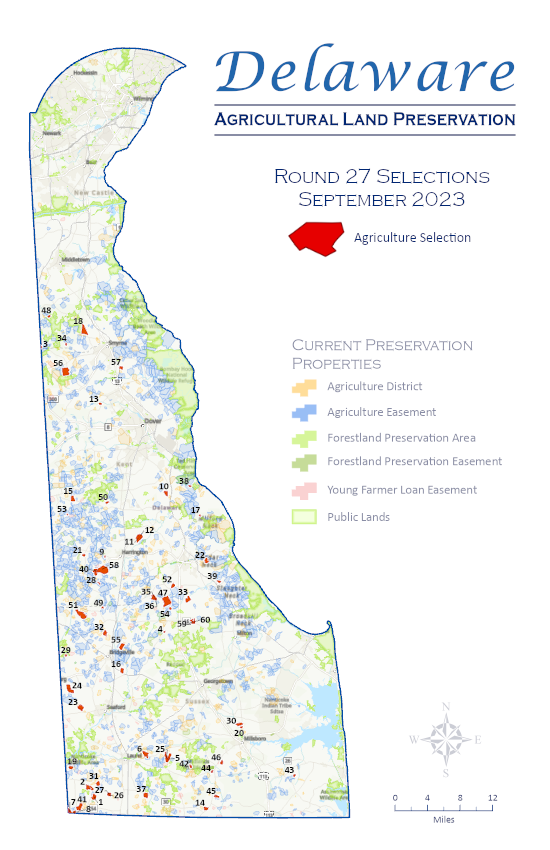
DOVER, Del. (September 20, 2023) — With the announcement of the 27th round of easement selections by the Delaware Agricultural Lands Preservation Foundation, Delaware has reached a new milestone, permanently preserving 151,257 acres of farmland.

“Preserving farmland protects Delaware’s agriculture heritage and its number one industry. That’s why we allocated $20 million in last year’s budget to help preserve farms from the ground up,” said Governor Carney. “This year’s process was very competitive. After a review of 121 offers submitted, the Foundation selected 60 farms encompassing 5,353 acres to purchase the development rights, with an average discount rate of 47%, up 3% from the last round. I want to thank the Aglands team at the Department of Agriculture, the members of the General Assembly, and all who work to preserve this important part of Delaware’s history and economy.”

Delaware Map of current preservation properties and the current Round 27 Selections for September 2023Four farms in New Castle County, 16 in Kent County, and 40 in Sussex County were preserved in this round.
“I want to thank the Governor and members of the General Assembly for increasing the funding for Aglands in last year’s budget to $20 million,” said Secretary of Agriculture Michael T. Scuse. “It allowed us to greatly expand the program and permanently protect over 151,000 acres of Delaware farmland.”

The Delaware Agricultural Lands Preservation Foundation selects those farms approved for easement purchase using an impartial discounted ranking system that maximizes benefits for taxpayers. The Foundation does not own the land but purchases landowners’ development rights and places a permanent agricultural conservation easement on the property. Landowners must first voluntarily enroll their farm into a 10-year preservation district and are eligible for permanent preservation the year after they apply. In addition to more than 151,000 acres in permanent easements, Delaware’s Aglands Preservation Program has more than 45,500 acres of land enrolled in 10-year farmland preservation districts.

Along with the state funding, Delaware’s success in preserving farmland would not be possible without the assistance of the county governments and federal partners, such as the USDA Natural Resources Conservation Service Agricultural Conservation Easement Program (ACEP) and the Department of Defense’s Readiness and Environmental Protection Integration program (REPI).

“Sussex County is proud once again to join in protecting farms and preserving our great agricultural heritage by taking part in the Delaware Aglands Program,” Sussex County Administrator Todd F. Lawson said. “Ag is the No. 1 industry in Sussex County, and it’s important now, more than ever, with a growing population and increased pressure on the agriculture industry, that we work hard to keep ag as the centerpiece to Delaware’s economy. The County Council’s contribution to Round 27, totaling nearly $1 million, is the most ever, and it’s the boldest statement yet of the County’s unwavering commitment to ensuring agriculture remains a part of the landscape for generations to come.”

County governments can partner with the state program and add county funds to select properties in their areas, leveraging state resources for the greatest impact. In today’s announcement, the county governments provided over $1.6 million to help purchase 22 easements in this round.

Levy Court President Terry L. Pepper said, “Kent County Levy Court is once again pleased to participate in Farmland Preservation in conjunction with the State of Delaware. We are pleased to announce that Kent County contributed $200,000 in this round. Levy Court has helped to preserve over 75,019 acres of farmland since we have been participating in this program, not including this year’s 1,451 acres preserved in Round 27.”

Delaware’s statewide program made its first round of easement purchases in 1996 and has since preserved 22.6% of New Castle County farmland, 41.9% of Kent County farmland, and 21.7% of Sussex County farmland.

“New Castle County is dedicated to the preservation of open space and set an ambitious goal of preserving over 7,000 acres,” said County Executive Meyer. “Preserving the Dempsey Farm, which is a high-quality farm in the Level 4 growth area, is an efficient use of funds and will get us 3% closer to the County’s open space goals.”

The Delaware Agricultural Lands Preservation Foundation Easements are available for viewing through an online dashboard at https://de.gov/agdashboard.

At their last meeting, the Delaware Agricultural Lands Preservation Foundation voted to extend district enrollment until October 31, 2023, to any agricultural landowners who want to preserve their farms. These landowners will have the opportunity to apply for Round 28 in 2024. Before the landowner can submit a bid to sell an easement, the farm must be enrolled in a preservation district.

Delaware farmers interested in preserving their farms should be sure they meet the following eligibility requirements:
• Property must be zoned for agriculture and not subject to any major subdivision plan.
• The property meets the minimum Land Evaluation and Site Assessment (LESA) score of 170. LESA is a process that attempts to estimate the farm’s long-term viability based on the farm’s soil productivity, land use, and agriculture infrastructure on and around the farm. Scores range from 0-300. Aglands program staff calculate the LESA score when applications are received.
•The property must be working farmland with at least $1,000 in agricultural sales annually and, in general, have at least 10 acres of cropland.
• Farms of 200 acres or more constitute an agricultural district.
• Farms under 200 acres can enter the program if it is within 3 miles of an existing agricultural district. With 1,212 farms already preserved, it is rare that a farm under 200 acres does not meet these criteria.

Entirely forested properties in managed timber production can also enroll in the Forestland Preservation Program, which purchases Forestland Preservation Easements similar to Aglands Preservation.

For more information or to obtain applications related to the Delaware Aglands Preservation Program, interested landowners can visit https://de.gov/aglands or call (302) 698-4530.

The Delaware Agricultural Lands Preservation Foundation’s Board of Trustees includes representatives from agriculture and state agencies. Trustees are Mark Collins, chairman; James G. Vanderwende, vice-chairman; Janice Truitt, treasurer; William H. “Chip” Narvel Jr., secretary; Secretary of Agriculture Michael T. Scuse; State Treasurer Colleen C. Davis; Secretary of Natural Resources and Environmental Control Shawn Garvin; Peter Martin; Theodore P. Bobola Jr.; Robert Emerson; and H. Grier Stayton.

###


Delaware Forest Service – New Campsites and Online Reservation Portal – NOW LIVE!

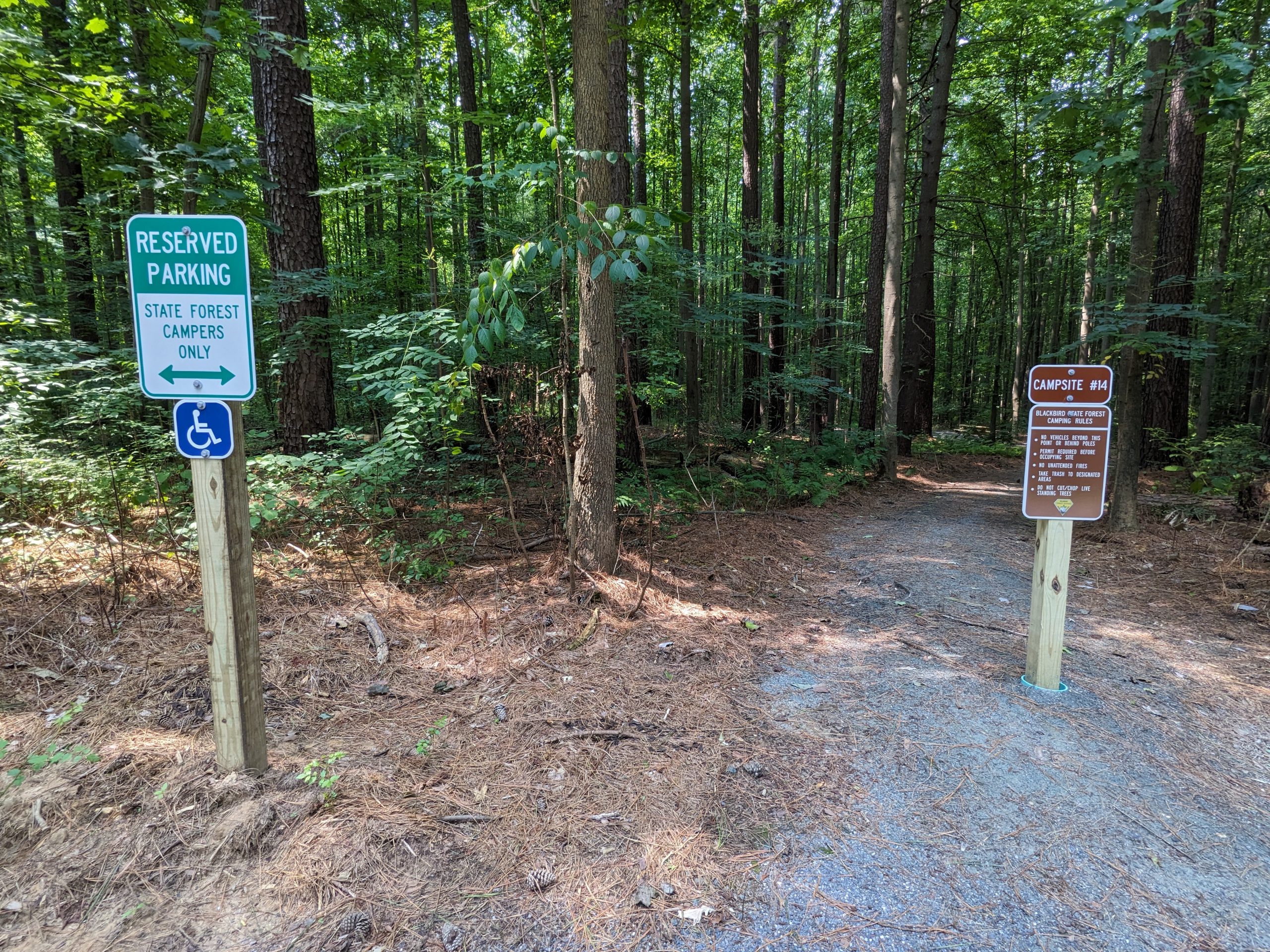
DOVER, Del. (August 21, 2023) – The Delaware Forest Service has launched a new online portal for reserving campsites and other venues on state forestland. Applicants can make reservations for primitive tent camping, rent the Lodge at Redden State Forest and reserve the pavilions. Additional campsites at Blackbird State Forest and Redden State Forest are also now open to the public. In total, Blackbird has sixteen (16) campsites available and Redden has eighteen (18) campsites. Online reservations for all locations can be made at de.gov/forestcamping.

“The Delaware Forest Service is proud to offer new amenities and sites at both Blackbird and Redden State Forests. One of our main goals has been to provide a multi-use area dedicated to recreational opportunities around our actively managed forests. By providing camping opportunities, our users can see how we sustainably manage our forests for future generations,” said Delaware State Forester Kyle Hoyd. “By offering the Lodge at Redden State Forest, people can experience and view sustainably managed timber in a historic setting, providing a glimpse into Delaware’s past. I encourage Delawareans and visitors to engage with Delaware state forests to see how great and versatile they truly are.”


Forest Campsites at Blackbird and Redden
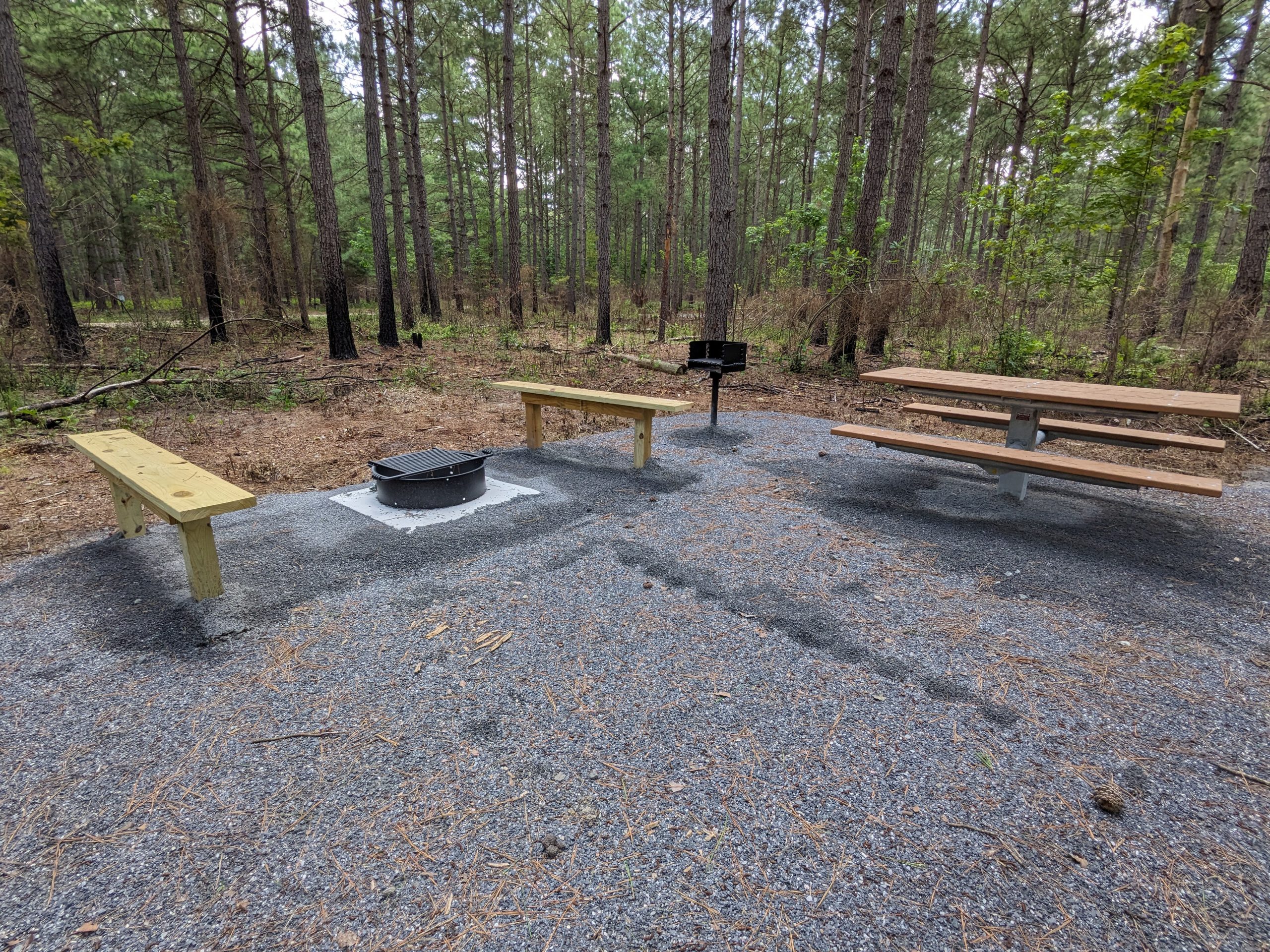
The campsites at both Blackbird State Forest and Redden State Forest offer a variety of amenities, including charcoal grills, fire rings, firewood, picnic tables and water spickets. Selected campsites are also compliant with The Americans with Disabilities Act (ADA), including wheelchair accessibility for visitors. Campsites can be reserved $25 per night, with a maximum 3 night stay. More information on reservations, rules, regulations, and fees can be found at de.gov/forestcamping.

Blackbird Campsites are located at the Tybout Tract of the Blackbird State Forest. Blackbird State Forest has ten tracts totaling over 6,000 acres and contains a mixture of oaks, yellow-poplar, maple, gums, and hickories. Its 40 miles of trails are used extensively for hiking, running, bicycling, and horseback riding. The trail system at Blackbird interconnects campsites and pavilions.

Redden Campsites are located at the Headquarters Tract of Redden State Forest. Redden has 18 tracts totaling over 12,900 acres and contains mixed hardwoods including oaks, maple and gum. The 44 miles of trails are popular for hiking, horseback riding, bicycling and bird watching.

ADA-compliant campsite at Blackbird State ForestADA-compliant campsite at Blackbird State Forest

Campsite amenities at Redden State ForestCampsite amenities at Redden State Forest


The Lodge at Redden State Forest
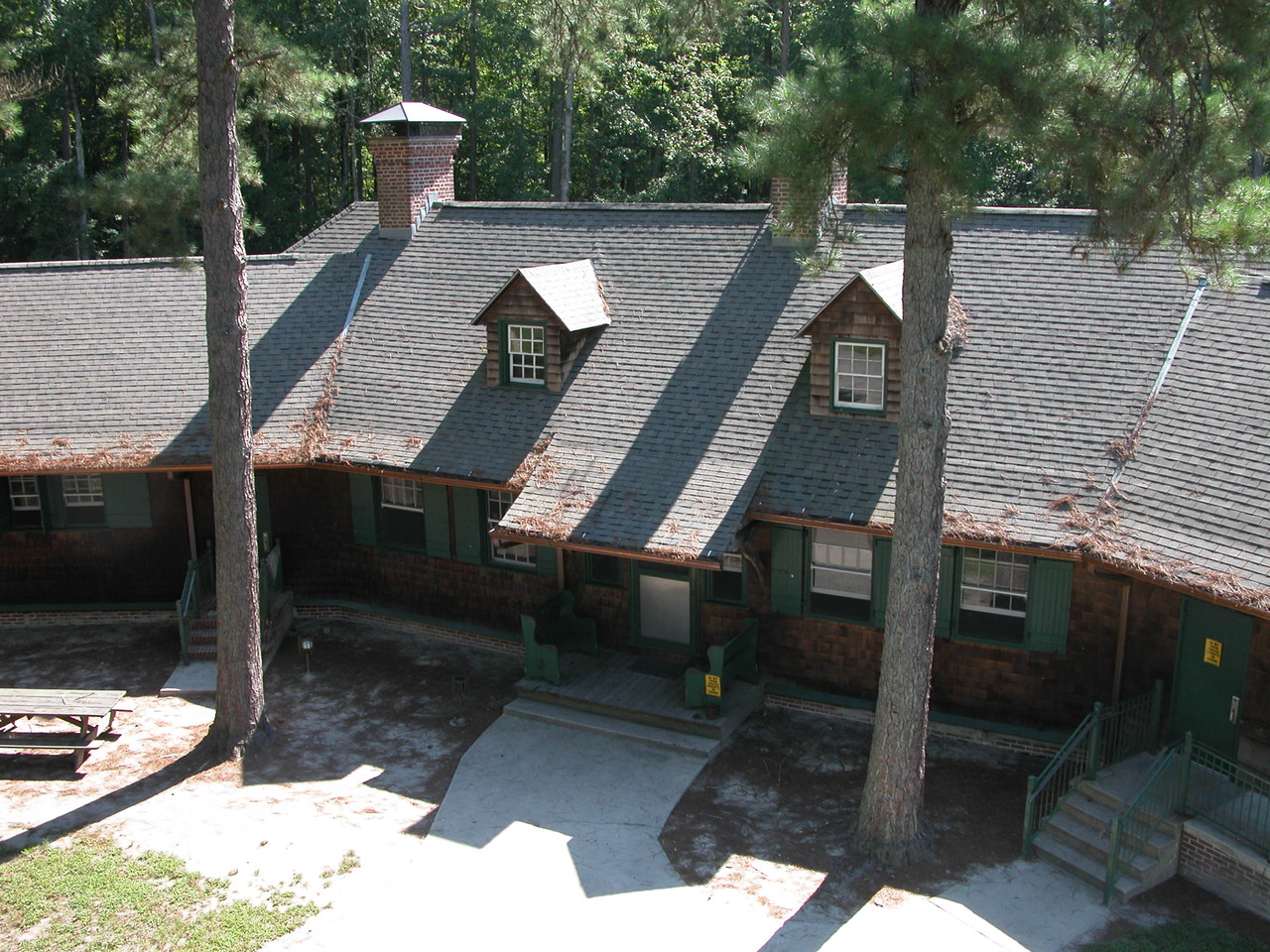
The rustic Redden Lodge is on the National Register of Historic Places and was built around 1903. The 11-room pinewood lodge was designed to serve the executives of the Pennsylvania Railroad as a shooting or hunting retreat, east of Penn Central Railroad line. The executives would arrive with horses and dogs at the Carriage House, now Redden Education Center at the Headquarters entrance.

The Lodge is available for conferences, special events, gatherings, etc. as a weekday overnight ($250) and weekend rentals ($500).  Special Use Permits required for events utilizing vendors. Reserving the Redden Lodge has a two-phase process. First, make your reservation online committing to policies. Second, call 302-856-2893 to schedule a site visit. Amenities include a basic appliance kitchen, 3 bathrooms, shower and tub, an open dining hall and sitting room, rooms for primitive lodging, a south hall and a screened porch.

Exterior photo of The Lodge at Redden State ForestExterior photo of The Lodge at Redden State Forest


Pavilions at Blackbird and Redden
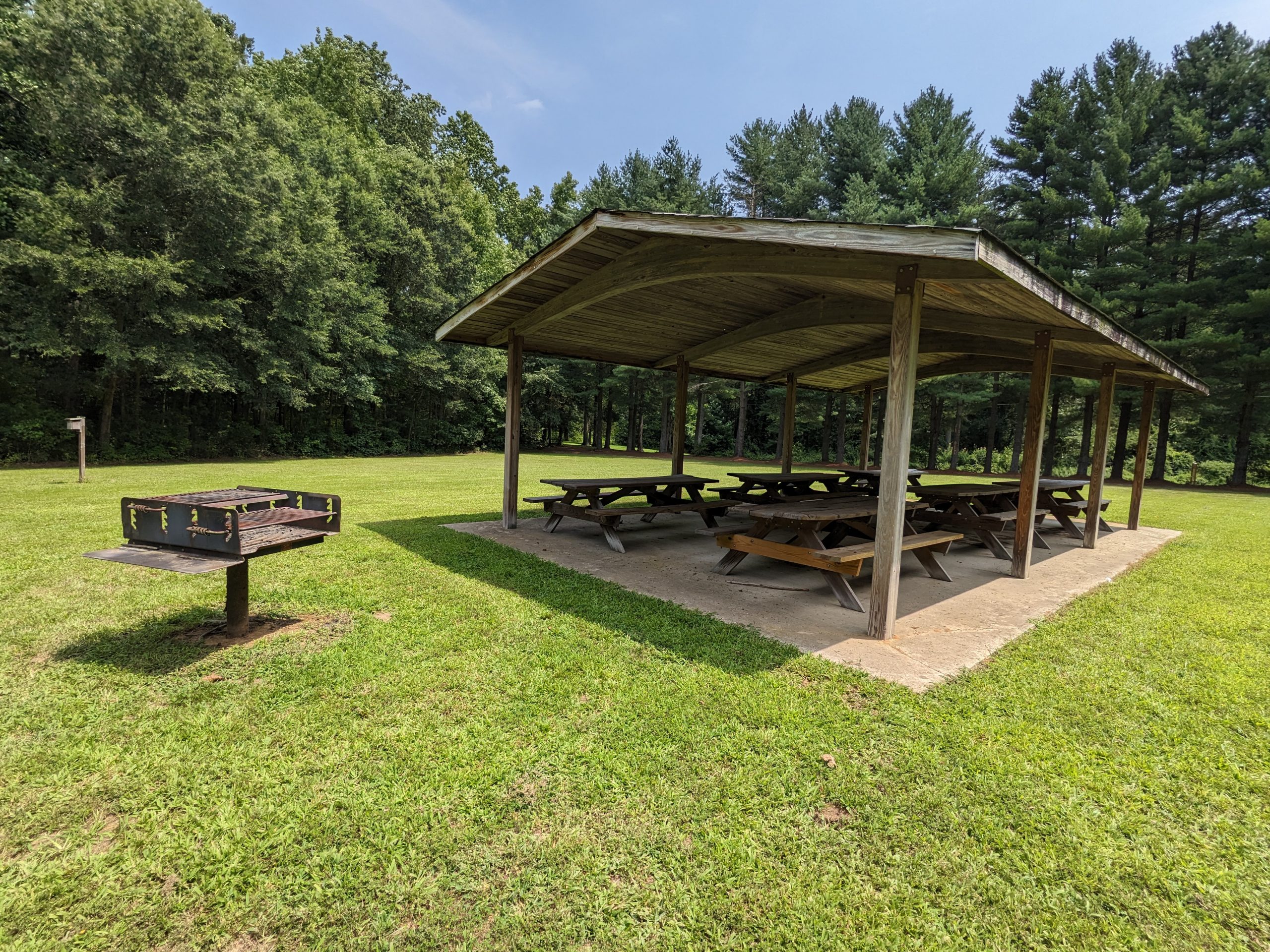
Blackbird State Forest has two pavilions available on a first come first serve basis at the Tybout Tract and Ennis Tract (near the Blackbird Education Center).

Redden State Forest has three pavilions available on a first come first serve basis at the Headquarters Tract, Ellendale Tract, and Jester Tract.

At both locations, our carry-in, carry-out policy is in effect. Groups of 10 or more require a reservation and permit.

Ennis Tract Pavilion at Blackbird State ForestEnnis Tract Pavilion at Blackbird State Forest


About Delaware Forest Service
The mission of the Delaware Department of Agriculture’s Delaware Forest Service (DFS) is to conserve, protect, and enhance Delaware forests and their resources for the public through education, management, demonstration, promotion, and providing technical services in a timely and efficient manner. DFS provides a wide range of services to help Delawareans manage and improve their forest resources. These services are divided into three categories: conservation, protection, and education. For more information, visit the website de.gov/forestry and connect with DFS on Facebook, Twitter or Instagram.


Delaware Sends Wildfire Crew to Southern California

SMYRNA, Del. (July 31, 2023) – The Delaware Forest Service mobilized a 3-person wildland fire engine crew from Blackbird State Forest on July 28th for a fire assignment to Wawona, California. Working with the Yosemite National Park’s Emergency Communication Center and various agencies from all over the country, the crew will be working on patrolling and isolating new fire starts due to human activity and lightning strikes. The predicted fire danger for the area is extreme/high for the next 7 days with an active 841-acre fire currently burning in Yosemite National Park, which is creating closures in the area. This assignment will be physically demanding for the crew and will require their 45 years of experience in logistical and operational roles in order to isolate these new starts so that they do not turn into larger fires.

Today, July 31, marks the first day of a fourteen-day assignment for the engine crew. The Delaware Forest Service will be looking to perform a crew swap around mid-August so that support can continue to be provided to the area. According to the National Interagency Fire Center, 64 large fires and complexes have burned 311,669 acres in 9 states. More than 11,500 wildland firefighters and support personnel are currently assigned to incidents across the country.

About Delaware Forest Service
The mission of the Delaware Department of Agriculture’s Delaware Forest Service (DFS) is to conserve, protect, and enhance Delaware forests and their resources for the public through education, management, demonstration, promotion, and providing technical services in a timely and efficient manner. DFS provides a wide range of services to help Delawareans manage and improve their forest resources. These services are divided into three categories: conservation, protection, and education. For more information, visit the website de.gov/forestry and connect with DFS on Facebook, Twitter or Instagram.