Independence Day programs at the state of Delaware’s downtown Dover museums on July 4 and 5, 2014

History will come to life as the three downtown Dover museums of the state of Delaware celebrate America’s Independence Day with programs on July 4 and 5, 2014.

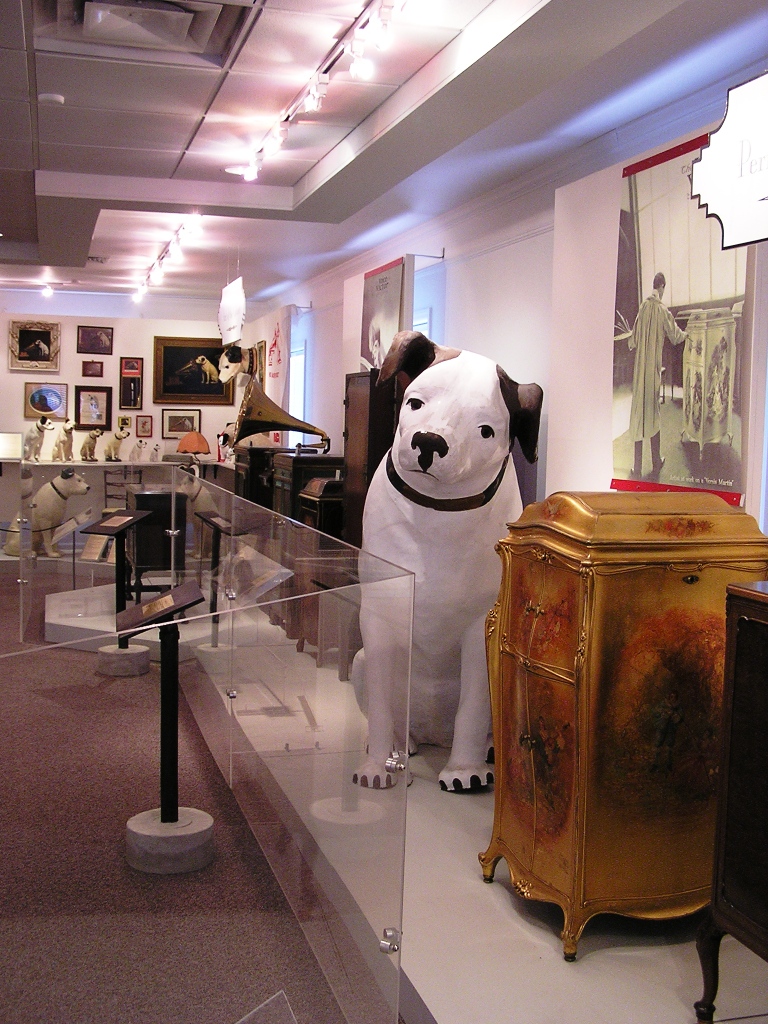
Display of Victor Talking Machines at the Johnson Victrola Museum. Patriotic music will be featured at the museum on July 4 and 5, 2014.

Visitors to the Johnson Victrola Museum, located at 375 S. New St., will have an opportunity to enjoy “Stars and Stripes,” a series of guided tours featuring original Victor Records recordings of patriotic music played on authentic Victor Talking Machines. The museum will be open from 9 a.m. to 6 p.m. on July 4, and 9 a.m. to 4:30 p.m. on July 5.

Displays at the Johnson Victrola Museum.

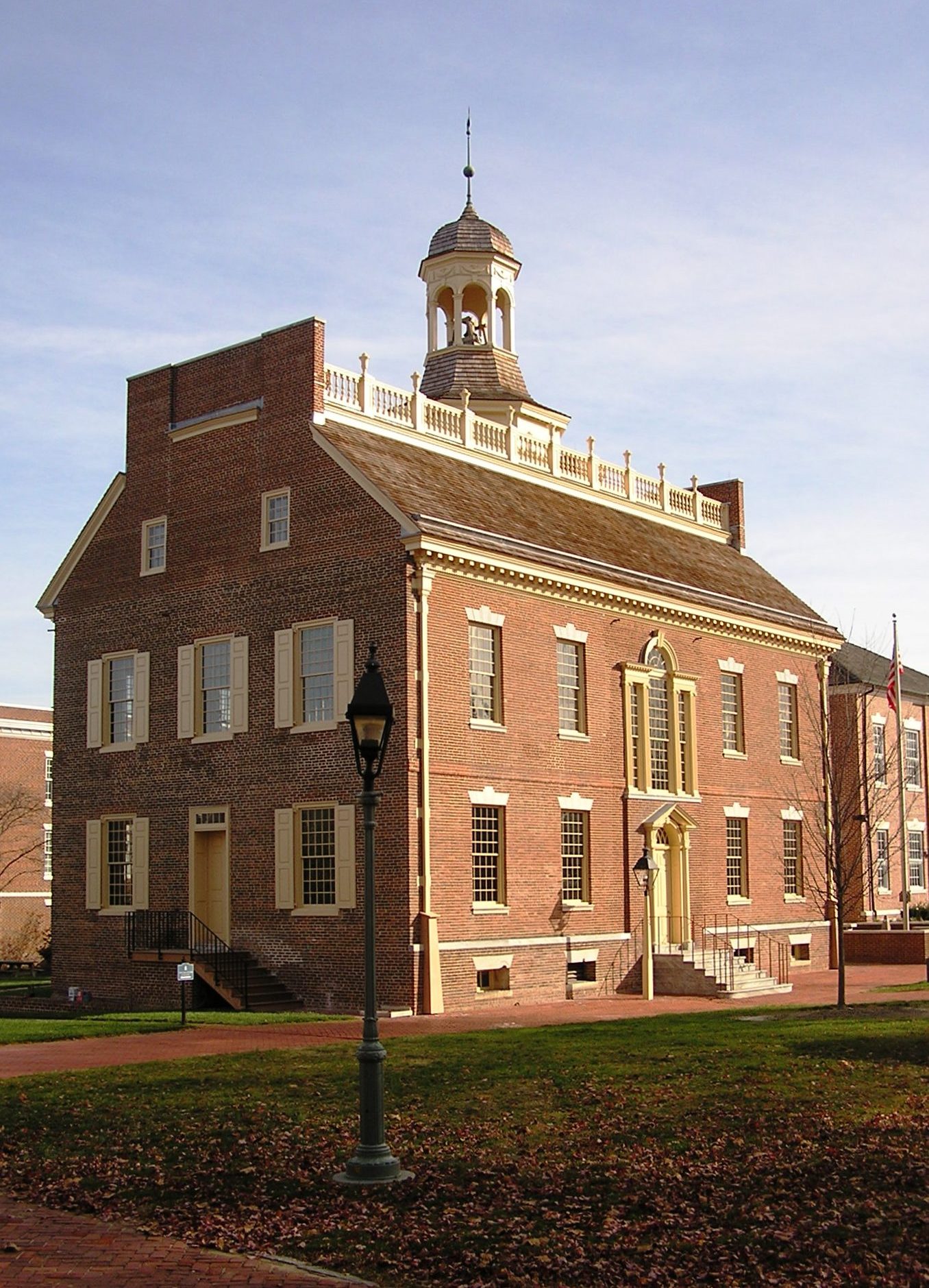
The Old State House, located at 25 The Green, will ring in the nation’s birthday on July 4 at 2 and 4:30 p.m. with the pealing of The Old State House bell, followed by historical interpreters, in Colonial-period dress, who will recite the Declaration of Independence aloud from the spot where the document was first read to the citizens of Dover on July 29, 1776. Additional programs will include screenings of “Thunder and Rain,” a film about Caesar Rodney’s 1776 ride to Philadelphia to cast Delaware’s deciding vote in favor of American independence from Great Britain. Screenings will take place at 11 a.m., 1 p.m. and 5 p.m. on July 4; and 11 a.m., 1 and 3 p.m. on July 5. The museum will also be open for visitation from 9 a.m. to 6 p.m. on July 4, and 9 a.m. to 4:30 p.m. on July 5.

The Old State House

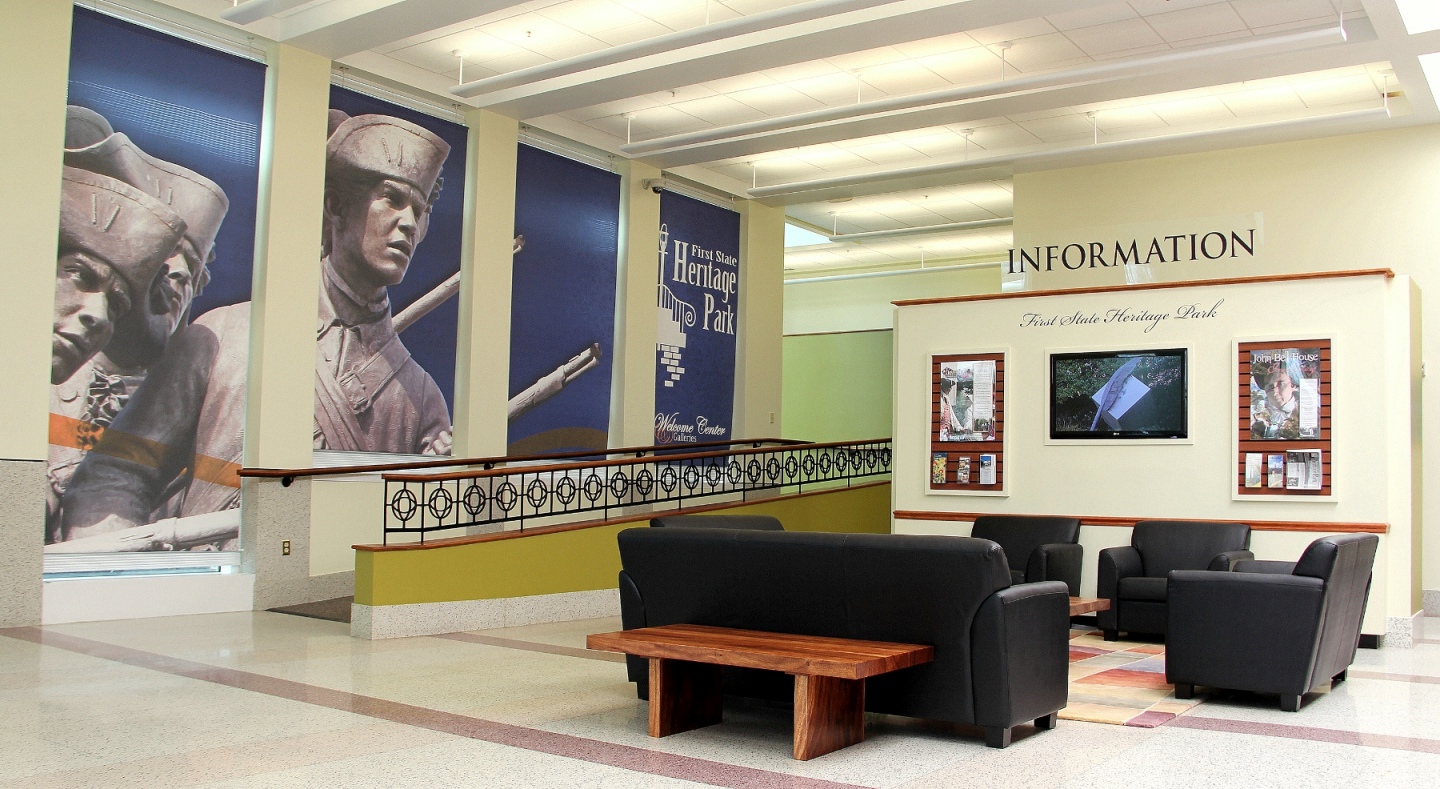
Finally, the First State Heritage Park Welcome Center and Galleries, located in the Delaware Public Archives building at 121 Martin Luther King Jr. Blvd., will offer special guided tours presented in conjunction with the exhibit “An Illegal Activity: The Underground Railroad in Delaware” which explores the First State’s role in the pre-Civil War network of secret routes and safe houses used by black slaves in the United States to escape to free states and Canada. The exhibit focuses on two Delaware leaders who aided in this “freedom enterprise”—Samuel D. Burris and Thomas Garrett. Tours will take place at 10 a.m., Noon and 4 p.m. on July 4; and 10 a.m., Noon and 2 p.m. on July 5. The welcome center will be open for visitation from 9 a.m. to 6 p.m. on July 4; and 9 a.m. to 4:30 p.m. on July 5.

First State Heritage Park Welcome Center and Galleries

The state of Delaware’s Independence Day programs in downtown Dover are presented in conjunction with “First Saturday in the First State,” a monthly series of events sponsored by the First State Heritage Park. Admission for all programs is free and open to the public. For additional information, call the First State Heritage Park Welcome Center and Galleries at 302-744-5055.

-End-

Contact:
Jim Yurasek
Delaware Division of Historical and Cultural Affairs
Phone:  302-736-7413
E-mail:  Jim.Yurasek@delaware.gov
Web:   http://history.delaware.gov


Demonstrations of 18th-century crafts to be featured at Dover, Del.’s John Dickinson Plantation in July 2014

–Listing of plantation events through December 2014 also included–

During the month of July 2014, the John Dickinson Plantation, located at 340 Kitts Hummock Rd. in Dover, Del., will present six special programs featuring demonstrations of traditional crafts that would have been made during the 18th century when John Dickinson was in residence at the property. The site will also be open for visitation and tours between 10 a.m. and 3:30 p.m. Admission is free. For additional information, call 302-739-3277.
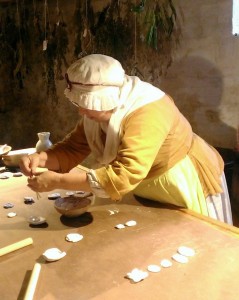
John Dickinson Plantation historic-site interpreter Barbara Carrow demonstrating plaster casting.

On Wednesday, July 2, 9, 16, 23 and 30, between 11 a.m. and 2:30 p.m., the plantation will present “Hands On History” featuring demonstrations of different traditional crafts each week including sachet making, paper marbling, paper quilling, plantation journal-making and plaster casting. On Saturday, July 12, between 1 and 3 p.m., the Thistledown Fiber Arts Guild will be conducting demonstrations of spinning, weaving, knitting and other fabric arts.
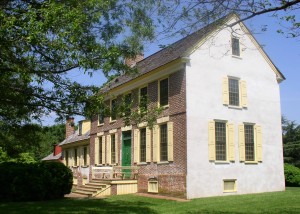
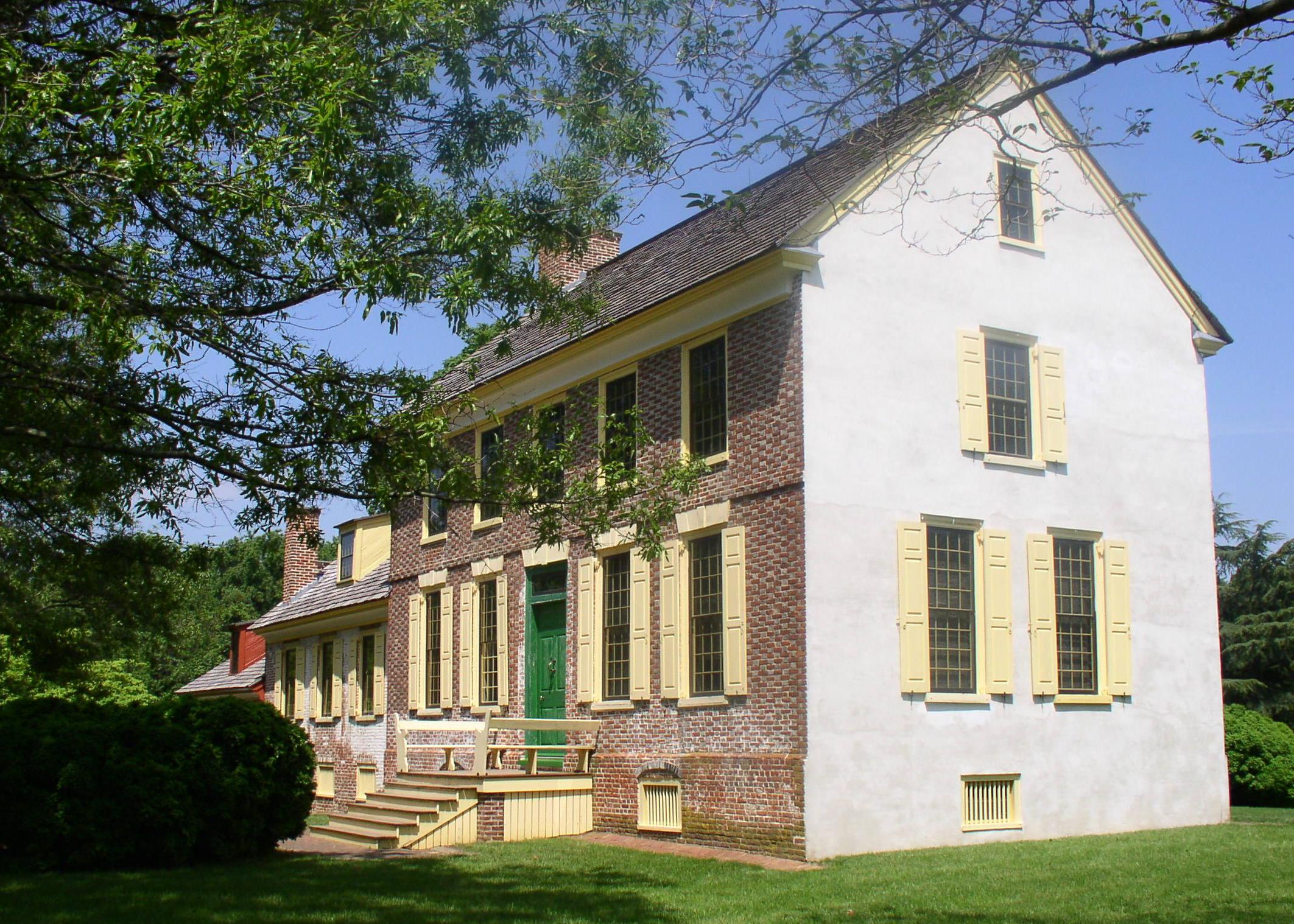
Mansion house at the John Dickinson Plantation.

The John Dickinson Plantation was the boyhood home and country estate of John Dickinson, one of the founding fathers of the United States, signer of the U.S. Constitution and “Penman of the Revolution.” The plantation features Dickinson’s original 1740 brick home, reconstructed farm buildings and a log’d dwelling, surrounded by rich agricultural lands stretching down to the banks of the St. Jones River.

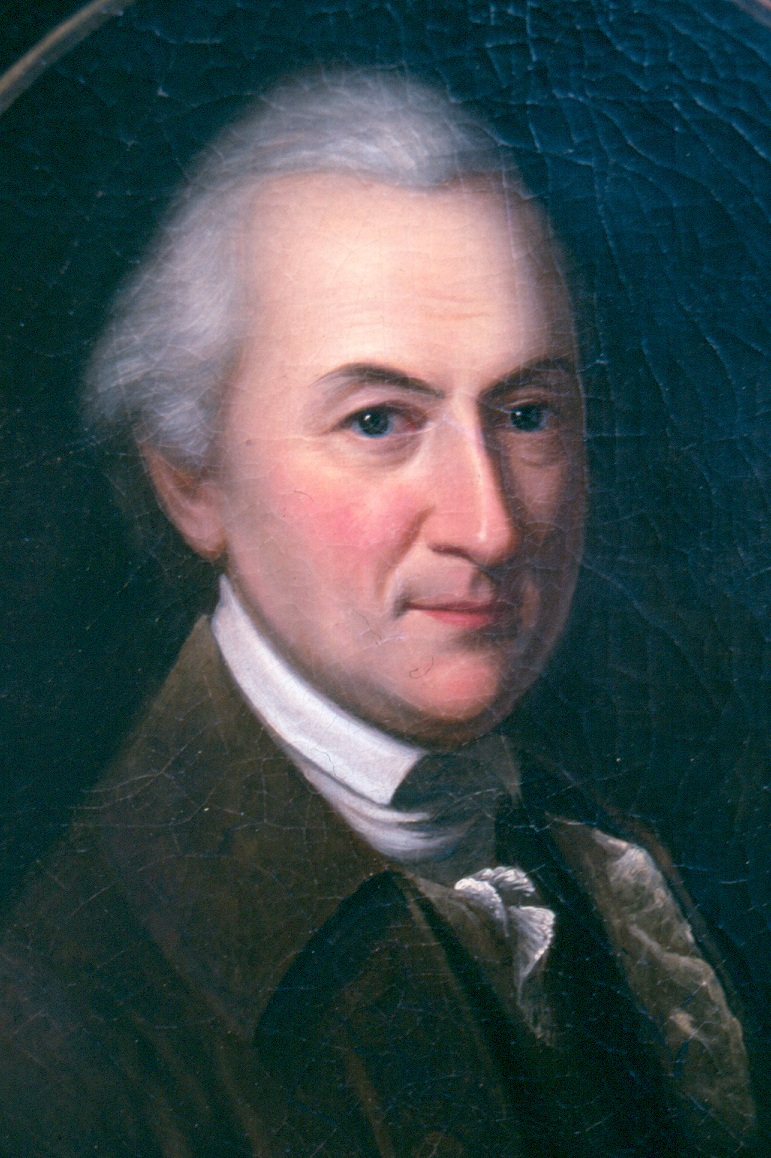
John Dickinson

Following is a schedule of plantation events through December 2014. All programs take place at the John Dickinson Plantation, 340 Kitts Hummock Road, Dover, Del. The property is open Wednesday to Saturday, 10 a.m. to 3:30 p.m. Times for special programs are indicated. Admission is free for all events listed. For additional information, call 302-739-3277.

John Dickinson Plantation special events through December 2014

Ongoing
“Simple Machines.” Exhibit demonstrating the six “simple machines”—incline ramp, screw, wedge, pulley, lever and wheel —that constitute the elementary building blocks of which all complicated machines are composed.

Thursday, June 26, 2014
“Thirsty on Thursdays.” Learn how to make cool 18th-century drinks including switchels, lemonade and tea. 11 a.m.–2:30 p.m.

Saturdays, July 12, Aug. 9, Sept. 13, Nov. 8 and Dec. 13, 2014
Demonstrations by the Thistledown Fiber Arts Guild. Program explores spinning, weaving, knitting and other fabric arts. 1–3 p.m.

Wednesdays, July 2, 9, 16, 23 and 30, 2014
Hands On History. Visitors will experience 18th-century history by participating in a different demonstration each week. Hands-on demonstrations will include sachet making, paper marbling, paper quilling, plantation journal-making and plaster casting. 11 a.m.–2:30 p.m.

Wednesdays, Aug. 6, 13, 20 and 27, 2014
“Weaving Wednesdays.” Indoor, staff-led program in which visitors will learn how to weave a blanket or rag rug. 11 a.m.–2:30 p.m.
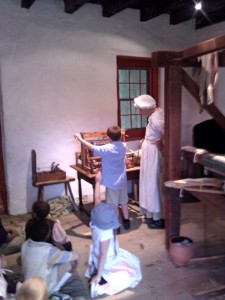
Weaving demonstration at the John Dickinson Plantation.

Saturday, Aug. 9, 2014
“Raiding the Mansion—Plundering the House of all its Provisions.” Learn about the Tory raid on the plantation’s mansion house through a special tour, and through examination of letters and primary documents. 10:30 a.m.–2:30 p.m.

Thursdays, Sept. 4, 11, 18 and 25, 2014
“Taper Thursdays.” Learn to make your own candle and help the plantation dip 200 candles that John Dickinson would have required from his tenants are part of their leases. 11 a.m.–2:30 p.m.

Saturday, Sept. 20, 2014
“Hearth Cooking Basics.” Hands-on workshop. 11 a.m.–1 p.m.
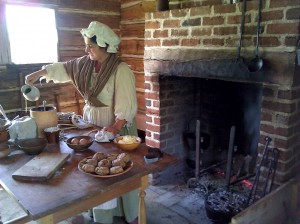
Martha Wagner, historic-site interpreter at the John Dickinson Plantation, conducting a hearth-cooking demonstration.

Saturday, Sept. 27, 2014
“Smoked, Pickled and Salted for Survival.” Learn how smoked, pickled and salted meats helped stretch food reserves in the winter, and participate in pickling meats with brine and smoking meats in the plantation’s smokehouse. In addition, join the John Dickinson Plantation in celebration of the St. Jones Reserve’s “Arts in the Estuary” program from 10 a.m.–3 p.m. 11 a.m.–2:30 p.m.

Saturday, Oct. 11, 2014
“A Day in the Life of the John Dickinson Plantation.” Visitors of all ages will enjoy a day of music, food, entertainment and hands-on activities from colonial trades to hearth cooking in the 18th-century setting of the home of the “Penman of the Revolution.” 10 a.m.–3:30 p.m.

Friday, Oct. 24, 2014
“Lantern Tours of the Plantation.” Programs explore the parties, games, dances and entertainment that would have abounded at the plantation during the nighttime in the 18th century. Activities will also include wagon-ride guided-tours conducted by staff of the St. Jones Reserve exploring the nocturnal life of the estuary. Programs 6–7 p.m. and 7:30–8:30 p.m. Free admission but, due to space restrictions, reservations are required by calling 302-739-3277.

Saturday, Oct. 25, 2014
“An 18th-Century Sweet Tooth.” Hands-on workshop in which visitors can learn how to create 18th-century sweets and goodies. 11 a.m.–2 p.m.

Thursdays, Nov. 6, 13 and 20, 2014
John Dickinson’s Birthday Month. Visitors celebrate the birth of John Dickinson by helping to make a great cake and decorate it using royal icing and shaped marzipan. 11 a.m.–2:30 p.m.

Saturday, Nov. 15, 2014
Candle-making workshops. Bayberry-candle workshop from 10 a.m.–noon examines bayberries and their use in creating bayberry candles. Presented in partnership with the St. Jones Reserve. Reservations required by calling the St. Jones Reserve at 302-739-3436. “Light Me Up!” workshop on candle dipping and discussion of lighting devices of the 18th century from 1–3 p.m. Reservations required by calling 302-739-3277 no later than Nov. 14.

Saturday, Nov. 29, 2014
“Handmade for the Holidays.” Seasonal program in which visitors can learn to create and decorate cards through the art of paper quilling and stenciling, and write a personal note with a quill pen. 11–2:30 p.m.

Saturday, Dec. 6, 2014
“Handmade for the Holidays.” Seasonal program in which visitors can create a sachet with herbs and spices. 11–2:30 p.m.

Saturday, Dec. 20, 2014
“Handmade for the Holidays.” Seasonal program in which visitors can create a plaster ornament. 11–2:30 p.m.

-End-

Contact:
Jim Yurasek
Delaware Division of Historical and Cultural Affairs
Phone:  302-736-7413
E-mail:  Jim.Yurasek@delaware.gov
Web:   http://history.delaware.gov


Delaware Division of Historical and Cultural Affairs wins prestigious national award

 “The DeBraak and Its Atlantic World” honored with Award of Merit from the American Association for State and Local History

On June 18, 2014, the Delaware Division of Historical and Cultural Affairs received notification from the American Association for State and Local History that the multi-dimensional interpretive program, “The DeBraak and Its Atlantic World,” is a recipient of the 2014 Award of Merit, a component of the association’s Leadership in History Awards program. The award will be presented to Division of Historical and Cultural Affairs representatives on Sept. 19, 2014 during the association’s annual meeting that will take place in St. Paul, Minn.

Artistic rendition of the capsizing of the DeBraak by Peggy Kane, 1990.

“The DeBraak and Its Atlantic World” shines a spotlight on His Majesty’s Sloop of War DeBraak, a British warship that was escorting and protecting a convoy of British and American merchant ships en route to the United States when it was capsized and lost off the Delaware coast on May 25, 1798. The surviving section of the ship’s hull and its associated artifact collection have been curated by the division since they were acquired by the state of Delaware in 1992.

Section of the exhibit, “A Seaborne Citizenry: The DeBraak and Its Atlantic World.”

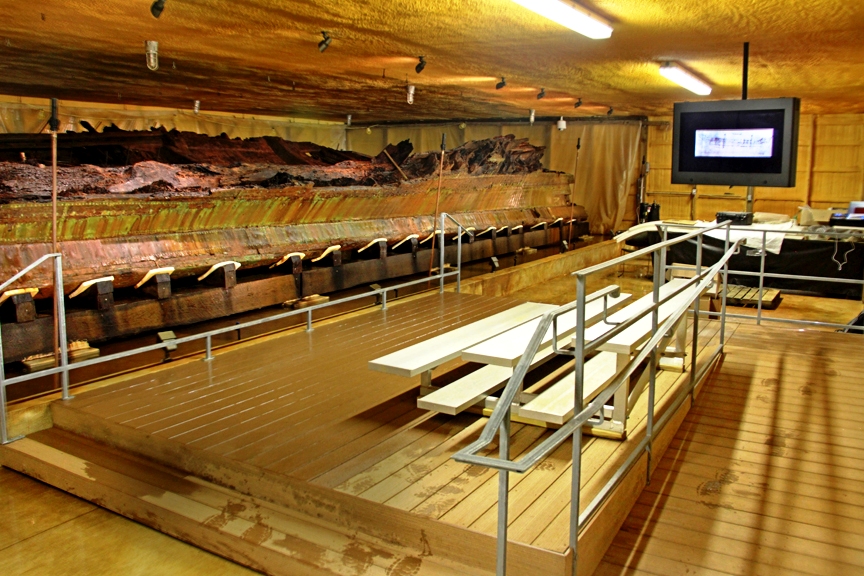
Held on Mondays from late spring through early fall, program activities begin at the Zwaanendael Museum, located at 102 Kings Highway in Lewes, Del., where a lecture and video on the ship are presented in conjunction with the exhibit “A Seaborne Citizenry: The DeBraak and Its Atlantic World.” The exhibit tells the story of the vessel, its crew and the historical context within which it operated in the late 18th century. Visitors are then transported, via van, to the DeBraak hull facility in nearby Cape Henlopen State Park for an interpreter-led tour of the surviving section of the ship’s hull. Remaining programs during 2014 will be held at 10 a.m. and 1 p.m. on July 7, 14, 21 and 28; Aug. 4, 11, 18 and 25; and Sept. 8, 15, 22 and 29. For tickets and additional information, go to the Shop Delaware website or call 302-645-1148.

Viewing area inside the DeBraak hull facility. The surviving section of the ship’s hull can be seen in the left of the photo.

The American Association for State and Local History’s Leadership in History Awards program was initiated in 1945 to establish and encourage standards of excellence in the collection, preservation and interpretation of state and local history throughout the United States. Leadership in History Awards not only honor significant achievement in the field of state and local history, but also bring public recognition of the opportunities for small and large organizations, institutions and programs to make contributions in this arena. 

The American Association for State and Local History is a not-for-profit professional organization of individuals and institutions working to preserve and promote history. From its headquarters in Nashville, Tenn., the association provides leadership, service and support for its members who preserve and interpret state and local history in order to make the past more meaningful in American society.

Visitors enjoying an up-close examination of the remaining section of the DeBraak’s hull.

-End-

Contact:
Jim Yurasek
Delaware Division of Historical and Cultural Affairs
Phone:  302-736-7413
E-mail:  Jim.Yurasek@delaware.gov
Web:   http://history.delaware.gov

“With Malice Toward None…Delaware Life During the Civil War”: 16th annual Chautauqua tent show to take place in Lewes, Del. from June 15 to 19, 2014

America’s deadliest conflict and its effect on the Delaware home front will be vividly brought to life during the 16th annual Chautauqua tent show, “With Malice Toward None…Delaware Life During the Civil War.” Events and programs will take place at a variety of downtown Lewes, Del. locations including the Zwaanendael Museum and the Lewes Historical Society from June 15 to 19, 2014. Admission is free and open to the public. Go here for a complete listing of activities. For additional information, call 302-645-1148.

Bob Gleason will portray President Abraham Lincoln on June 18.

A unique mixture of education and entertainment, Lewes’ Chautauqua will be held under a large tent and will be headlined by re-enactors from the American Historical Theatre who take on the personas of four individuals who played major roles in the history of the Civil-War-era: President Abraham Lincoln; Union spy Harriet Tubman; nurse and founder of the American Red Cross Clara Barton; and poet and nurse Walt Whitman. Audience members are encouraged to ask questions and interact with the featured performers who will remain in-character throughout their appearances.

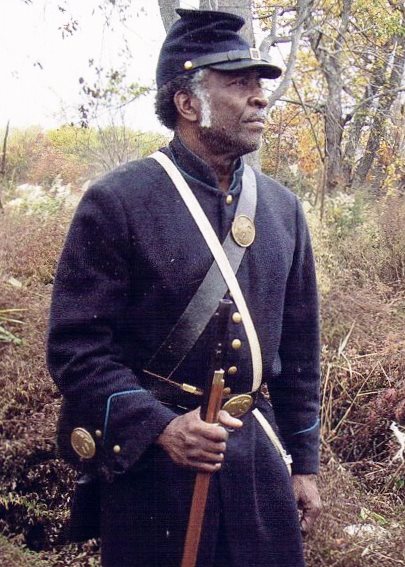
At the same time, the Chautauqua will explore the impact that the Civil War had on ordinary Delawareans from every strata of society. The First State’s wartime experiences reflected the particularly acute dichotomies and conflicting loyalties that were experienced by Maryland, Delaware, Kentucky and Missouri—the “border” states that permitted slavery but did not secede from the Union. Delaware’s involvement in the war will be explored in a living-history performance by Wilmingtonian Willis Phelps who will portray James Elbert from Polktown, Del. who enlisted and fought with the United States Colored Troops.

Willis Phelps will portray Pvt. James Elbert of the U.S. Colored Troops on June 15.

Other topics of local interest include the following lectures and presentations:

  • “Benjamin Burton and His Participation in President Lincoln’s ‘Compensated Emancipation’ Scheme.” Presentation on the Indian River Hundred farmer who was the largest slaveholder in Delaware in 1862
  • “Conflicting Loyalties in the Border: Delawareans During the Civil War”
  • “Delaware as a Border State in the American Civil War”
  • “Delaware in the Civil War”
  • “Governor Ross of Delaware.” Program on William Henry Harrison Ross, slaveholder, Southern sympathizer and governor of Delaware from 1851 to 1855
  • “Lewes During the Civil War”
  • Maj. Gen. Alfred T. A. Torbert of Georgetown, Del. who served in the Union Army

Chautauqua takes its name from a series of adult education programs that were first held at a campsite on the shores of Lake Chautauqua in upstate New York during the late 19th century. Chautauquas spread throughout America in the late 19th and early 20th centuries bringing speakers, teachers, musicians, entertainers, preachers and specialists of the day to a wide cross-section of the nation’s rural and small-town population. Circuit Chautauquas (also known as Tent Chautauquas) were an itinerant manifestation of the movement. Programs would be presented in tents pitched in a field near town. After several days, the Chautauqua would fold its tents and move on to the next community. The popularity of Chautauquas peaked in the mid-1920s, after which radio, movies and automobiles brought about the gradual disappearance of the movement by the 1940s.

Dr. Daisy Century will portray Harriet Tubman on June 15.

Reborn in the 1970s as a vehicle for humanities education, modern Chautauquas are organized around a core program in which re-enactors portray celebrated historical figures, speaking and interacting with audiences, often in the setting of a large outdoor tent. Modern Chautauquas have been presented annually in Delaware since 1999 featuring a wide variety of historical figures including Amelia Earhart; Dolley Madison; Eleanor Roosevelt; Edgar Allan Poe; the Lone Ranger; John Philip Sousa; and Delaware’s own Allen McLane, F.O.C. Darley and Clifford Brown.

Delaware’s 2014 Chautauqua is partially funded by a grant from the Delaware Humanities Forum, a state program of the National Endowment for the Humanities. The program is co-sponsored by the Lewes Historical Society and the Delaware Division of Historical and Cultural Affairs with additional financial support from the Delaware Heritage Commission, Delmarva Power and Sussex County Council under the auspices of Councilwoman Joan Deaver.

Delaware Humanities Forum logo

Contact:
Jim Yurasek
Delaware Division of Historical and Cultural Affairs
Phone:  302-736-7413
E-mail:  Jim.Yurasek@delaware.gov
Web:   http://history.delaware.gov

Expanded visiting hours at the New Castle Court House Museum through Sept. 30, 2014

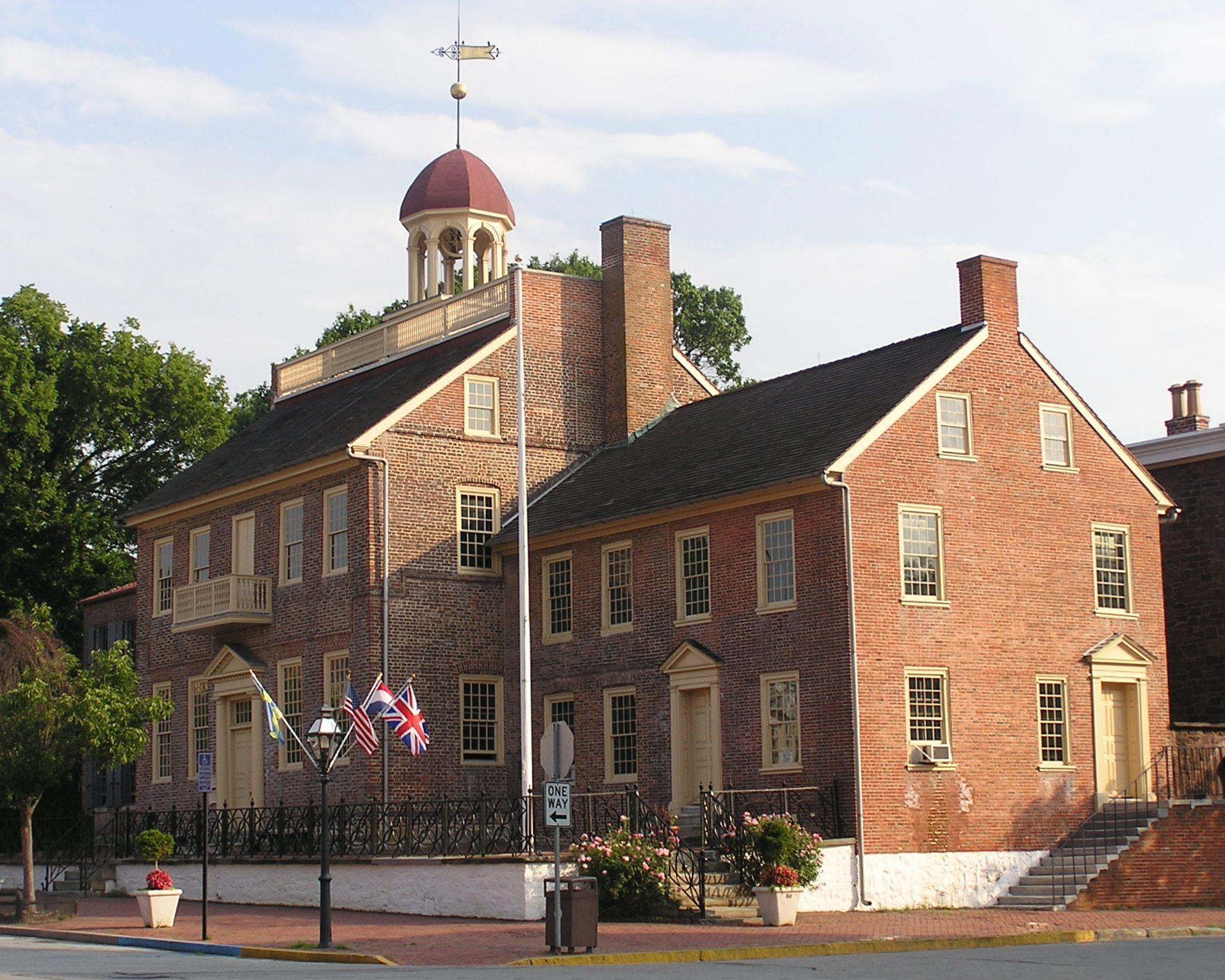
The New Castle Court House Museum, located at 211 Delaware St. in New Castle, Del., is now open for visitation seven days a week during the time period between June 1, 2014 and Sept. 30, 2014. Hours of operation are as follows: Monday to Saturday, 10 a.m. to 3:30 p.m.; and Sunday, 1:30 to 4:30 p.m. The museum will also be open between 10 a.m. and 3:30 p.m. on the following state holidays: Independence Day (Friday, July 4, 2014) and Labor Day (Monday, Sept. 1, 2014). For additional information about visiting the museum, call 302-323-4453.

New Castle Court House Museum

Funding for the expanded schedule was provided by the federal government as part of an agreement between the National Park Service, which manages the First State National Monument, and the Delaware Division of Historical and Cultural Affairs, which manages the New Castle Court House Museum. The agreement seeks to collaboratively promote the preservation, interpretation and public use of the court house; and to expand its days of operation so that they conform with the park service’s policy of keeping its units open seven days a week during the summer. The museum is normally closed on Mondays, Tuesdays and state holidays.

One of the oldest and most historic courthouses in the United States, the New Castle Court House (main section built in 1732) served as Delaware’s first court and state capitol. Here in 1776, New Castle, Kent and Sussex counties declared their independence from Pennsylvania and England creating the Delaware State. The museum features tours and exhibits that illustrate Delaware’s unique boundaries, law and government and the Underground Railroad.

Established by President Obama in 2013, the First State National Monument is the 400th unit of the national park system and the first to be located in the state of Delaware. It is comprised of three of Delaware’s most historic areas including the Dover Green, the New Castle Court House complex (including the court house, Green and Sheriff’s House); and the Woodlawn property in the Brandywine Valley. The national monument shines a spotlight on Delaware’s rich history including its Native American roots; early settlement by Dutch, Swedish, Finnish and English colonists; its participation in America’s struggle for independence; and its distinction as the first state to ratify the U.S. Constitution.

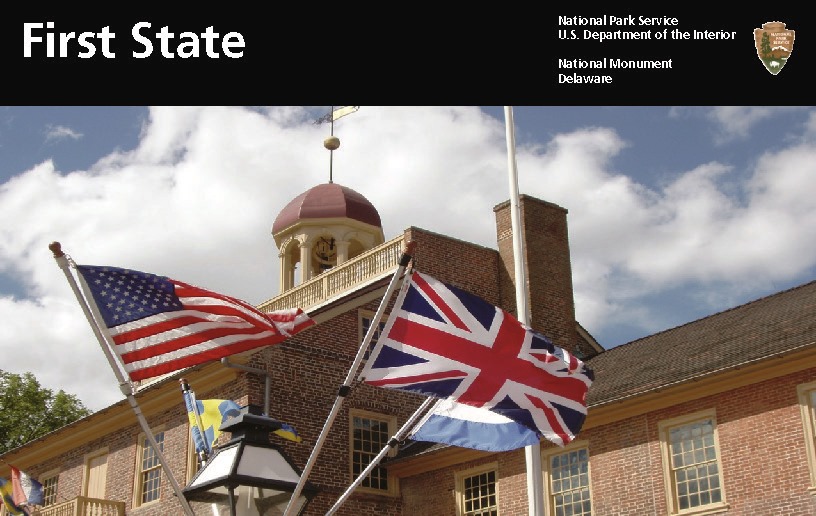
First State National Monument brochure featuring a photo of the New Castle Court House Museum.

In the future, the national monument’s visitor center and headquarters will be housed in the Sheriff’s House, a historic property located next to the court house that was formerly owned by the state of Delaware and administered by the Division of Historical and Cultural Affairs. In 2013, the Sheriff’s House was transferred to the federal government as part of the process which created the national monument. The New Castle Court House and New Castle Green continue to be owned by the state and administered by the division.

-End-

Contact:
Jim Yurasek
Delaware Division of Historical and Cultural Affairs
Phone:  302-736-7413
E-mail:  Jim.Yurasek@delaware.gov
Web:   http://history.delaware.gov