
Attention Nursery Owners and Gardeners: Boxwood Workshop set for Wednesday, Feb. 4
Department of Agriculture | Newsroom | Date Posted: Thursday, January 29, 2026


Department of Agriculture | Newsroom | Date Posted: Thursday, January 29, 2026
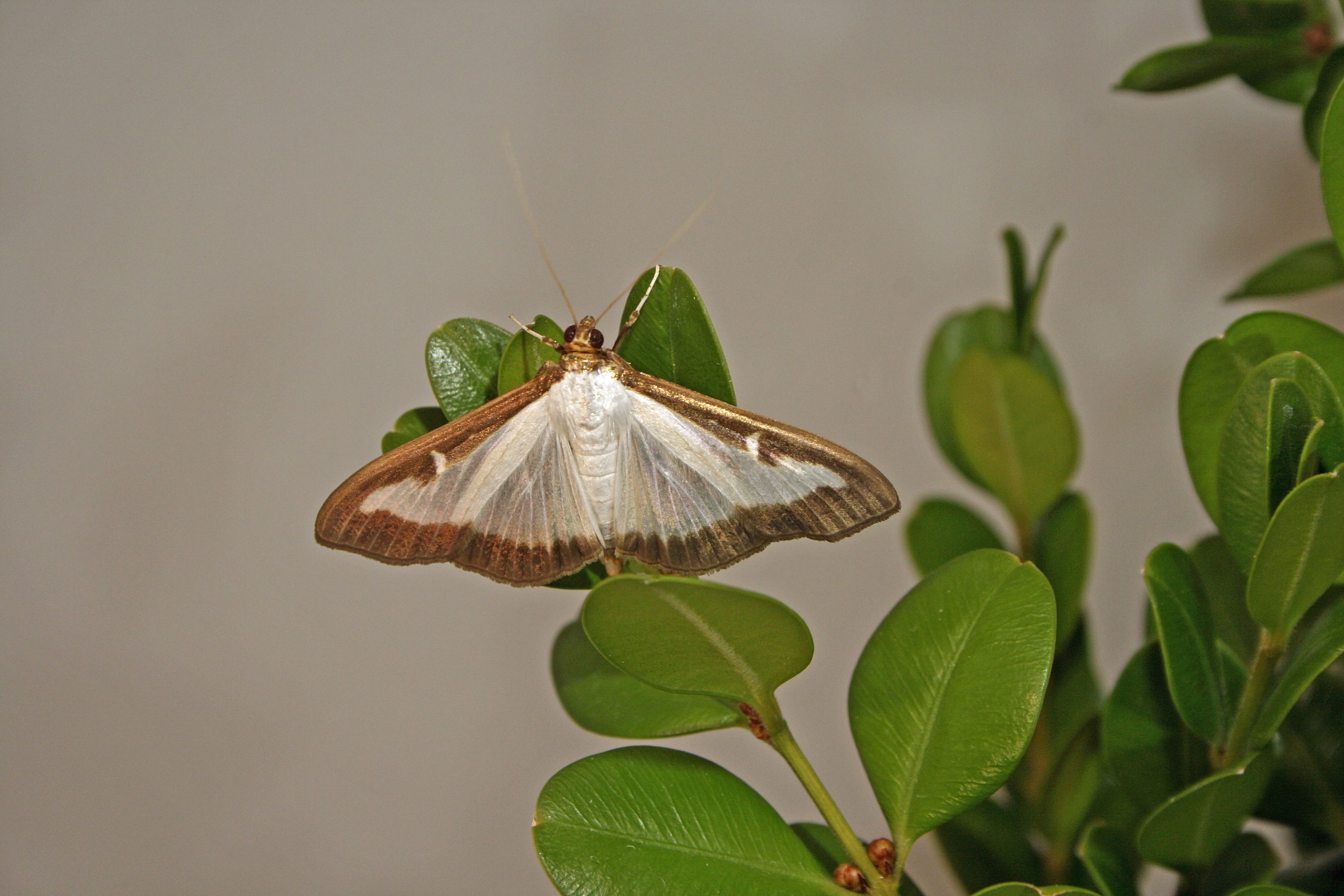
DOVER — In an effort to maintain beautiful boxwood plants up and down the First State, the Delaware Department of Agriculture is hosting a Boxwood Workshop on Wednesday, Feb. 4 at the agency’s headquarters at 2320 South DuPont Highway in Dover.
Co-sponsored by the Delaware Nursery & Landscape Association and the University of Delaware Cooperative Extension, the event comes as boxwood nursery stock has struggled with disease and insect pest issues in recent years. Boxwoods are a popular ornamental evergreen shrub common to many landscape environments.
Registration is preferred, but not required for this FREE event, which includes multiple talks from 9 a.m. to 12:30 p.m. All are welcome to learn about new nursery regulations affecting the sale and movement of boxwoods as well as the latest information on box tree moths. Register at https://forms.gle/xwwqMvdQuHbVFzjv7.
Scheduled speakers, topics and presentation times include:
• Brian Kunkel, University of Delaware (Boxwood problems/box tree moth research, 9:05 a.m.)
• Jill Pollak, University of Delaware (Boxwood blight sampling in Delaware, 9:50 a.m.)
• Stephen Hauss, Delaware Department of Agriculture (USDA Quarantine, Compliance Agreements/Pest Management, 10:30 a.m.)
• Andrew Adams, University of Delaware Botanic Gardens (Industry Input-Alternative Plants, 11 a.m.)
• Alejandro Del Pozo-Valdivia, Virginia Polytechnic Institute and State University (Phenology, mating disruption and chemical control of the box tree moth in the U.S., 11:30 a.m.)
“This is an excellent opportunity for nursery owners, gardeners and hobbyists to learn the latest boxwood tips and news from experts in the field,” said Jeffrey Brothers, the Delaware Department of Agriculture’s Plant Industries Administrator. “Landscape professionals and growers also can benefit from the information on how to identify and manage box tree moths in the coming season.”
The box tree moth (Cydalima perspectalis) is a federally regulated pest that primarily feeds on boxwood species (Buxus spp.). If left unchecked, it causes significant damage and can potentially kill the plants.
The first box tree moth in Delaware was confirmed in July 2024. The first box tree moth in the United States was confirmed in New York in 2021.
WHAT YOU CAN DO DURING GROWING SEASON
Delawareans can help prevent this invasive pest from spreading throughout the state’s landscape, by monitoring and controlling infestations.
• If you have boxwoods in your landscape, monitor your shrubs for brown or skeletonized leaves, defoliation, and webbing with caterpillars. Caterpillar activity for the box tree moth is expected to resume once temperatures are above 50 degrees for three consecutive days, which typically occurs in March.
• Contact Delaware Cooperative Extension Master Gardeners at the Garden Helpline to learn what pest management tools are available:
o New Castle County: 302-831-8862
o Kent County: 302-730-4000
o Sussex County: 302-831-3389
• Refer to the following link for Insecticide Options for Box Tree Moth Management. Remember the label is the law. Always read and follow the pesticide label.
o https://ir4.cals.ncsu.edu/ehc/InvasiveSpecies/BTM_FactSheet_PotentialMitigationOptions_20210527.pdf
• Remove infested boxwood plant branches. For heavy infestations, cut the boxwood from its base. Your plant should grow back from its roots. All boxwood debris should be double-bagged in plastic and placed in the trash. Homeowners should follow the Delaware Cooperative Extension’s pesticide recommendations.
• Nursery owners should monitor their boxwoods and implement safeguards to limit pest risk. All nursery businesses should report box tree moth detections to the Delaware Department of Agriculture at DDA_PlantPests@delaware.gov. Learn more about the box tree moth at https://www.aphis.usda.gov/plant-pests-diseases/box-tree-moth or https://www.udel.edu/academics/colleges/canr/cooperative-extension/fact-sheets/box-tree-moth/.

Keep up to date by receiving a daily digest email, around noon, of current news release posts from state agencies on news.delaware.gov.
Here you can subscribe to future news updates.
Department of Agriculture | Newsroom | Date Posted: Thursday, January 29, 2026
DOVER — In an effort to maintain beautiful boxwood plants up and down the First State, the Delaware Department of Agriculture is hosting a Boxwood Workshop on Wednesday, Feb. 4 at the agency’s headquarters at 2320 South DuPont Highway in Dover.
Co-sponsored by the Delaware Nursery & Landscape Association and the University of Delaware Cooperative Extension, the event comes as boxwood nursery stock has struggled with disease and insect pest issues in recent years. Boxwoods are a popular ornamental evergreen shrub common to many landscape environments.
Registration is preferred, but not required for this FREE event, which includes multiple talks from 9 a.m. to 12:30 p.m. All are welcome to learn about new nursery regulations affecting the sale and movement of boxwoods as well as the latest information on box tree moths. Register at https://forms.gle/xwwqMvdQuHbVFzjv7.
Scheduled speakers, topics and presentation times include:
• Brian Kunkel, University of Delaware (Boxwood problems/box tree moth research, 9:05 a.m.)
• Jill Pollak, University of Delaware (Boxwood blight sampling in Delaware, 9:50 a.m.)
• Stephen Hauss, Delaware Department of Agriculture (USDA Quarantine, Compliance Agreements/Pest Management, 10:30 a.m.)
• Andrew Adams, University of Delaware Botanic Gardens (Industry Input-Alternative Plants, 11 a.m.)
• Alejandro Del Pozo-Valdivia, Virginia Polytechnic Institute and State University (Phenology, mating disruption and chemical control of the box tree moth in the U.S., 11:30 a.m.)
“This is an excellent opportunity for nursery owners, gardeners and hobbyists to learn the latest boxwood tips and news from experts in the field,” said Jeffrey Brothers, the Delaware Department of Agriculture’s Plant Industries Administrator. “Landscape professionals and growers also can benefit from the information on how to identify and manage box tree moths in the coming season.”
The box tree moth (Cydalima perspectalis) is a federally regulated pest that primarily feeds on boxwood species (Buxus spp.). If left unchecked, it causes significant damage and can potentially kill the plants.
The first box tree moth in Delaware was confirmed in July 2024. The first box tree moth in the United States was confirmed in New York in 2021.
WHAT YOU CAN DO DURING GROWING SEASON
Delawareans can help prevent this invasive pest from spreading throughout the state’s landscape, by monitoring and controlling infestations.
• If you have boxwoods in your landscape, monitor your shrubs for brown or skeletonized leaves, defoliation, and webbing with caterpillars. Caterpillar activity for the box tree moth is expected to resume once temperatures are above 50 degrees for three consecutive days, which typically occurs in March.
• Contact Delaware Cooperative Extension Master Gardeners at the Garden Helpline to learn what pest management tools are available:
o New Castle County: 302-831-8862
o Kent County: 302-730-4000
o Sussex County: 302-831-3389
• Refer to the following link for Insecticide Options for Box Tree Moth Management. Remember the label is the law. Always read and follow the pesticide label.
o https://ir4.cals.ncsu.edu/ehc/InvasiveSpecies/BTM_FactSheet_PotentialMitigationOptions_20210527.pdf
• Remove infested boxwood plant branches. For heavy infestations, cut the boxwood from its base. Your plant should grow back from its roots. All boxwood debris should be double-bagged in plastic and placed in the trash. Homeowners should follow the Delaware Cooperative Extension’s pesticide recommendations.
• Nursery owners should monitor their boxwoods and implement safeguards to limit pest risk. All nursery businesses should report box tree moth detections to the Delaware Department of Agriculture at DDA_PlantPests@delaware.gov. Learn more about the box tree moth at https://www.aphis.usda.gov/plant-pests-diseases/box-tree-moth or https://www.udel.edu/academics/colleges/canr/cooperative-extension/fact-sheets/box-tree-moth/.
Keep up to date by receiving a daily digest email, around noon, of current news release posts from state agencies on news.delaware.gov.
Here you can subscribe to future news updates.
Delaware's Governor
State Agencies
Elected Officials
General Assembly
Delaware Courts
State Employees
Cities & Towns
Delaware State Code
State Regulations
Business First Steps
Phone Directory
Locations Directory
Public Meetings
Voting & Elections
Transparency
Delaware Marketplace
Tax Center
Personal Income Tax
Privacy Policy
Weather & Travel
Contact Us
Corporations
Franchise Tax
Gross Receipts Tax
Withholding Tax
Delaware Topics
Help Center
Mobile Apps
E-mail / Text Alerts
Social Media


Built by the Government Information Center
©MMXXVI Delaware.gov
